

4 April 2028
-
6 April 2028
IN-PERSON (INTERNATIONAL)
Bird demography: understanding the mechanisms that shape avian populations
Aims and scope
We are currently living through a period of rapid environmental change happening on multiple fronts. For birds, this means habitat is increasingly lost, food is becoming scarcer, and bodies have to withstand higher degrees of pollution and newly emerging diseases. At the species level, the cumulative effects of these pressures can lead to population declines and local extinctions. For ecosystems, that translates into loss of biodiversity. Mitigating the negative effects of these environmental changes on bird populations requires an understanding of the processes that drive population change. Demography, the study of the mechanisms underlying population dynamics, is central to our understanding how populations grow and decline over time in response to changes in the environment. By examining demographic processes, we can link individuals’ responses to environmental change to variation in demographic rates and, consequently, to broader population patterns and trends.
Bird demography is a long-standing field with a strong research history, but new ground is constantly covered. By bringing together new insights from this constantly evolving and increasingly interdisciplinary field, we can improve our understanding of how bird populations have, are, and will respond to the multivariate pressures that they face in our rapidly changing world.
Topics:
-
- Impacts of anthropogenic pressures on bird vital rates
- Insights into aging and senescence of wild birds
- Transient and long-term population dynamics
- Modelling, statistics, and uncertainty (innovations, recommendations, and best practice)
- New technologies and approaches for bird monitoring
- Predicting/forecasting bird population changes
- Long-term dynamics
- Population management strategies and tools
- Life-history trade-offs
- Novel and emerging threats to species and populations
Parallel conference format
The BOU aims to run inclusive and accessible events. One way we seek to achieve this is by delivering our conferences in parallel on a freely accessible social media platform. From 2025 onwards, this has been Bluesky.
All presenters at our conferences will be invited to post a summary of their presentation on Bluesky, and will be provided with helpful guidelines to support them in doing so. No conference registration, or Bluesky account, is required to view these presentations.
Social media has broadened the reach of our conferences, attracting a significantly larger and more diverse audience than meetings without this element.
View previous BOU conferences on Bluesky
Scientific Programme Committee
Catriona Morrison (Chair) | Biomathematics and Statistics Scotland (BioSS), UK & BOU Meetings Committee
Malcolm Burgess | Royal Society for the Protection of Birds (RSPB), UK
Chloé R. Nater | Norwegian Institute for Nature Research (NINA), Norway
Emily Simmonds | University of Edinburgh, UK & BOU Meetings Committee
Stefan Vriend | Netherlands Institute of Ecology (NIOO-KNAW), Netherlands
Image credits
Barn Swallow | Alpsdake CC BY-SA 4.0 Wikimedia Commons
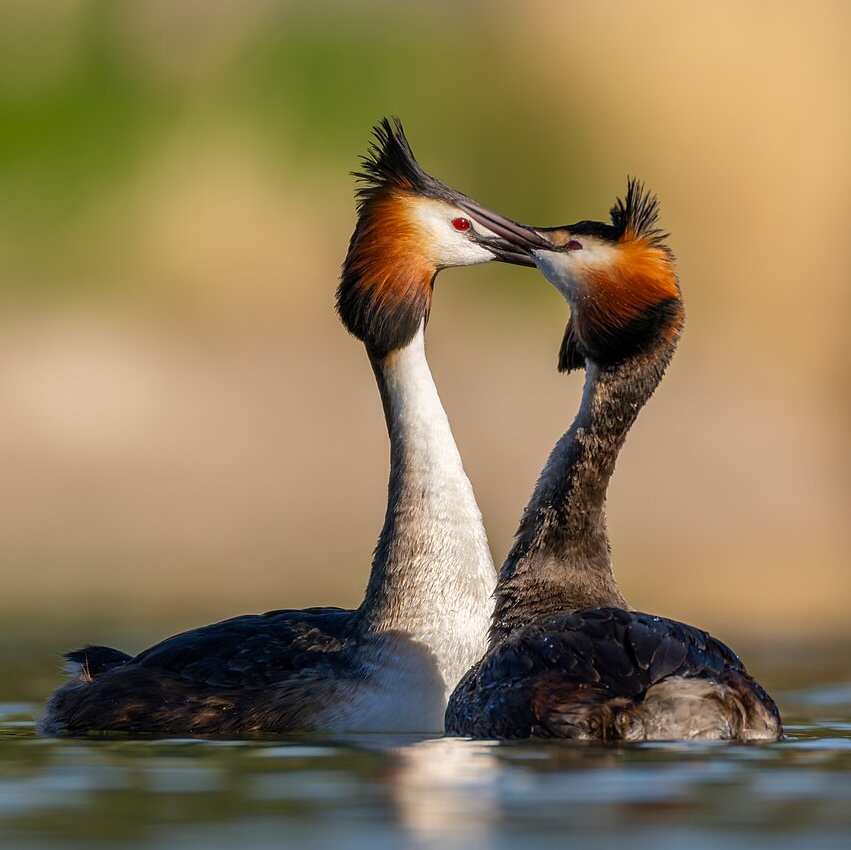
Great Crested Grebe | Alexis Lours CC BY 4.0 Wikimedia Commons
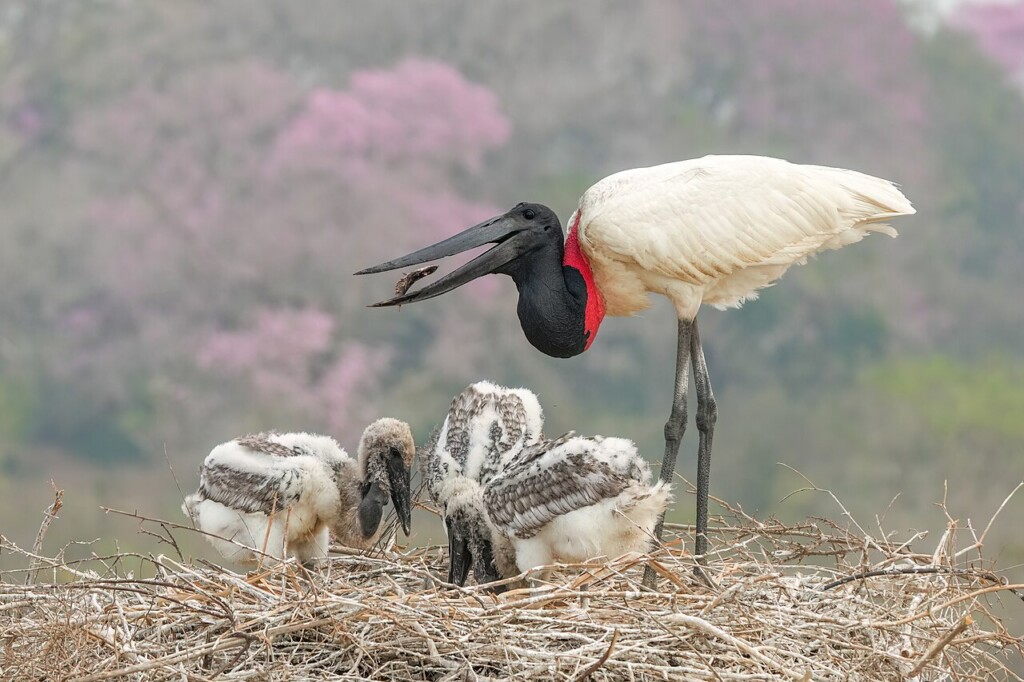
Jabiru | Giles Laurent CC BY-SA 4.0 Wikimedia Commons
.JPG)

