
Human disturbance – the effect on the behaviour, density and distribution of animals arising from the rapidly reversible introduction of human objects or activities into an area – isn’t the first thing you think of when talking about conservation. It can seem a bit specialised, niche even. Big in urban ecology but not of relative importance in the pristine or wilderness ecosystems that conservation often aspires to. What relevance has human disturbance to animal populations and ecosystem structuring in somewhere like Yellowstone? But the lessons from the reintroduction of wolves into Yellowstone show the subtle but substantial power of disturbance. Just a few wolves changed the behaviour of the deer, which affected their browsing patterns and distribution, which changed the tree regeneration and growth, which changed the habitat fundamentally. The wolves could only actually eat a tiny proportion of the deer, but just one wolf can scare all of them. Their non-lethal effects – essentially avoidance of wolves – led to profound ecosystem change. It was, and is, the disturbance that the wolves created that led to the changes, not direct deaths of the deer.
Now extend this idea to most of the planet. Sadly, there aren’t that many wolves, but there are humans. Incredible numbers of humans. Although only a small proportion of these might be now hunting animals like birds, most species have been selected not to give us the benefit of the doubt. Consequently, even the most well-meaning bird watcher will send the Pink-footed Geese they are trying to watch into the next county if the person starts walking even a bit in the direction of the goose flock. And humans (never mind bird watchers) are absolutely everywhere – even Yellowstone. So, the effect is that enormous areas of habitat become unavailable for the many species that are disturbed. Or, if any species has got the memo – that by and large human presence can be tolerated without fatal consequences – enormous areas of habitat become exclusively available. Or, more subtly, if the human disturbance varies – much less, if at all, at night, or on a beach during the week or on dull days – then there is periodic super-availability of food, because the rest of the time resources in the area are not being depleted. The effects of disturbance on populations then depend critically on which bird species have got the memo.
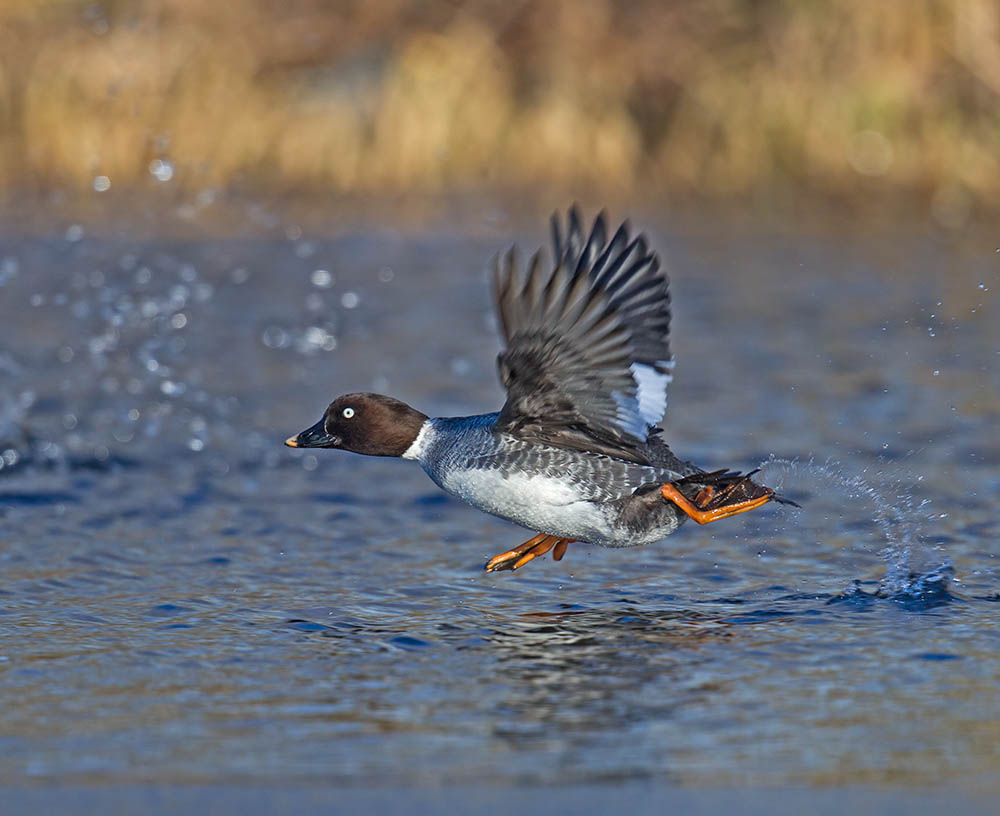
My favourite example of the “humans are okay” memo confronts me every time I visit a northern European urban park. There are always ducks, but these ducks are quite different from the ducks you would encounter in a rural pond. Tufted Ducks (“tufties”) and Goldeneyes, are similar in size and escape ability and both like the same kind of wintering pond, yet tufties ignore people, by and large, while Goldeneyes will fly away the moment a person appears at the edge. The result is that you don’t see Goldeneyes very often, unless the urban ponds are large or out of the way, allowing people and Goldeneyes to maintain separation. What’s the difference between the species? I would argue that – through either nature or nurture – the Tufted Ducks have got the memo, while the Goldeneyes have yet to do so. And their relative ecological success in terms of population size and range now depends on it.
So, conservation solutions in anthropogenic environments (and there are few non-anthropogenic environments…) may well hinge on either encouraging species to get the memo or managing disturbance. How we do the former, I have no idea, but probably by doing the latter and just allowing time to pass, more and more species will move towards human tolerance. There are some classic cases – for example, Blackbirds have only become successful urban birds since 1820, having learned to ignore people and colonised gardens and parks across Europe over the following 100 years. Other species are still in transition. Robins are urban birds in the UK, but shyer, woodland species in much of Continental Europe, and I have stood just metres away from Goldeneyes, as tame as Mallards, in a Reykjavik park. The selective advantage of any bird that ignores people is compelling, as it unlocks more space and resources for itself, at very little risk of harm (and humans may even reduce risk of direct predation by scaring away the real predators…).
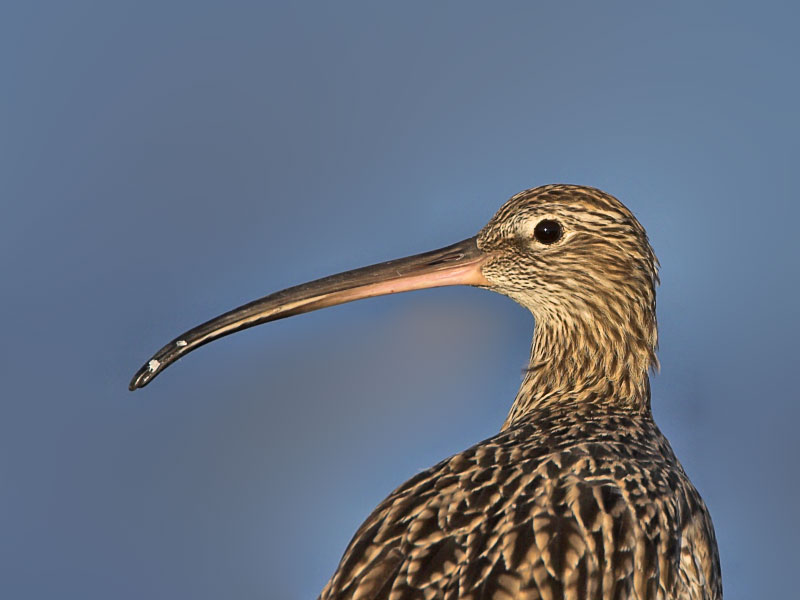 Figure 1. Eurasian Curlew (Numenius arquat) © John Anderson.
Humans change the world just by standing in it. Our mere presence (effectively) removes habitat and resources, and although this may be temporary and reversible, someone else turns up in the meantime to remove the habitat again. We are imposing a huge selective effect on the bird species around us. But large effects lead to rapid evolution (or extinction, but that is another, less positive, story) so there is every hope that if we give species a little time and space to adapt, they will. In conservation terms, this makes reducing the lethal effects of humans very important. The hunting of a bird species, for example, is not about the quota killed. It is about the removal of habitat for every individual of the species as they avoid humans. And indeed for many other species that feel like the shotguns might be aimed at them. Give it try – find yourself a Turtle Dove (if you can!) and see how close you get. Then try it with a Collared Dove. When I started noticing birds 50 years ago, Curlews in Great Britain were famously shy, flying off at hundreds of metres. They were on the quarry list. Now, 40 years after shooting Curlews was banned, I can walk on a beach or through a field, and they will not respond to me unless I deliberately approach to within 40 metres or so. Curlews still have it very hard thanks to human pressures in many other areas – nest predation by increasing numbers of mesopredators, drainage of their breeding and wintering grounds – but at least they no longer have to avoid what habitat remains out of fear of people.
References
Cresswell, W. 2008. Non-lethal effects of predation risk in birds. Ibis 150:3-17.VIEW
Samia, D., Nakagawa, S., Nomura, F. et al. 2015. Increased tolerance to humans among disturbed wildlife. Nature Communications 6:8877.VIEW
Image credit
Top right and featured image: Goldeneye (Bucephala clangula) © John Anderson.