


On 10 August 2025, I set off from field work in northern Sweden to arrive in time for the 15th Congress of the European Ornithological Union (EOU). My journey took me on two night trains and a train under the sea to my destination, Bangor in Wales, a cute coastal town surrounded by the impressive foothills of Snowdonia National Park. It is one of those seemingly rare, beautiful places in Europe where the sea and the mountains meet. It was my first visit to Wales and the UK, and I was amazed by the landscape and looked forward to seeing more of it over the coming week.
The EOU was accompanied, as is tradition, by a two-day meeting of the Migratory Landbird Study Group (MLSG), which gave me a fantastic preview of the actual congress and allowed me to connect with researchers on the topic of bird migration in a small, intimate setting. During this pre-symposium, I was introduced to EUFLYNET COST Action, a network of researchers whose aim is to better understand population dynamics of migratory landbirds across Europe and the migrants’ flyways. I am delighted that meeting this network of researchers has led to a collaboration: I am now participating in a research synthesis on the demography of migratory birds, which is being carried out as part of EUFLYNET to identify knowledge gaps and biases in demographic research.
On Tuesday morning, the historic main building of Bangor University opened its doors for the first few symposia of the EOU conference, which offered a great combination of bird research on topics as diverse as migration ecology, ecophysiology, urban ornithology and conservation. A particular highlight of the conference for me was the roundtable on Wednesday afternoon on ‘Genoscaping European bird taxa’ which brought together researchers interested in using genomic data to better understand the connectivity of populations and to assign migrating or dispersing birds to their most likely population of origin. This topic is closely related to my master’s thesis, and the discussion provided a fantastic opportunity to connect with other researchers interested in this field.
On Thursday, it was time to explore the beautiful nature near Bangor and finally go birdwatching! I chose South Stack, an RSPB nature reserve that provides breeding grounds for cliff-nesting seabirds such as auks and gulls. Although the famous Puffins (Fratercula arctica) had unfortunately already left the cliffs at this time of year, we were able to observe the equally charismatic Red-billed Choughs (Pyrrhocorax pyrrhocorax) that call the rocky landscape of South Stack home. I enjoyed the sunny and surprisingly windless day outdoors, the view of the sea and the heathland, and of course all the birds that are so unique to these places. A welcome change from the long days of talks and poster sessions!
 Figure 1. Sunny, calm weather during Thursday’s trip to South Stack Nature Reserve, which offered great opportunities for hiking and birdwatching. Species observed included Black-legged Kittiwakes, Northern Fulmars, Rock Pipits, Little Egrets and Red-billed Choughs © Malin Klumpp.
On Friday, it was my turn to give a talk. I was excited to present my master’s thesis, which I completed in a research group led by Dr Rose Thorogood, Associate Professor of Behavioural Ecology at the University of Helsinki and plenary speaker in the morning of the same day. In my thesis, I investigated whether dispersal-enhancing behaviours in northern range-front Common Reed Warblers (Acrocephalus scirpaceus) associate with genetic ancestry from the range core, indicating either persistent traits from early colonisers or recent immigration into the range edge. This project was co-supervised by Will J. Smith (University of Helsinki) and Bengt Hansson (Lund University, where I did my master’s degree).
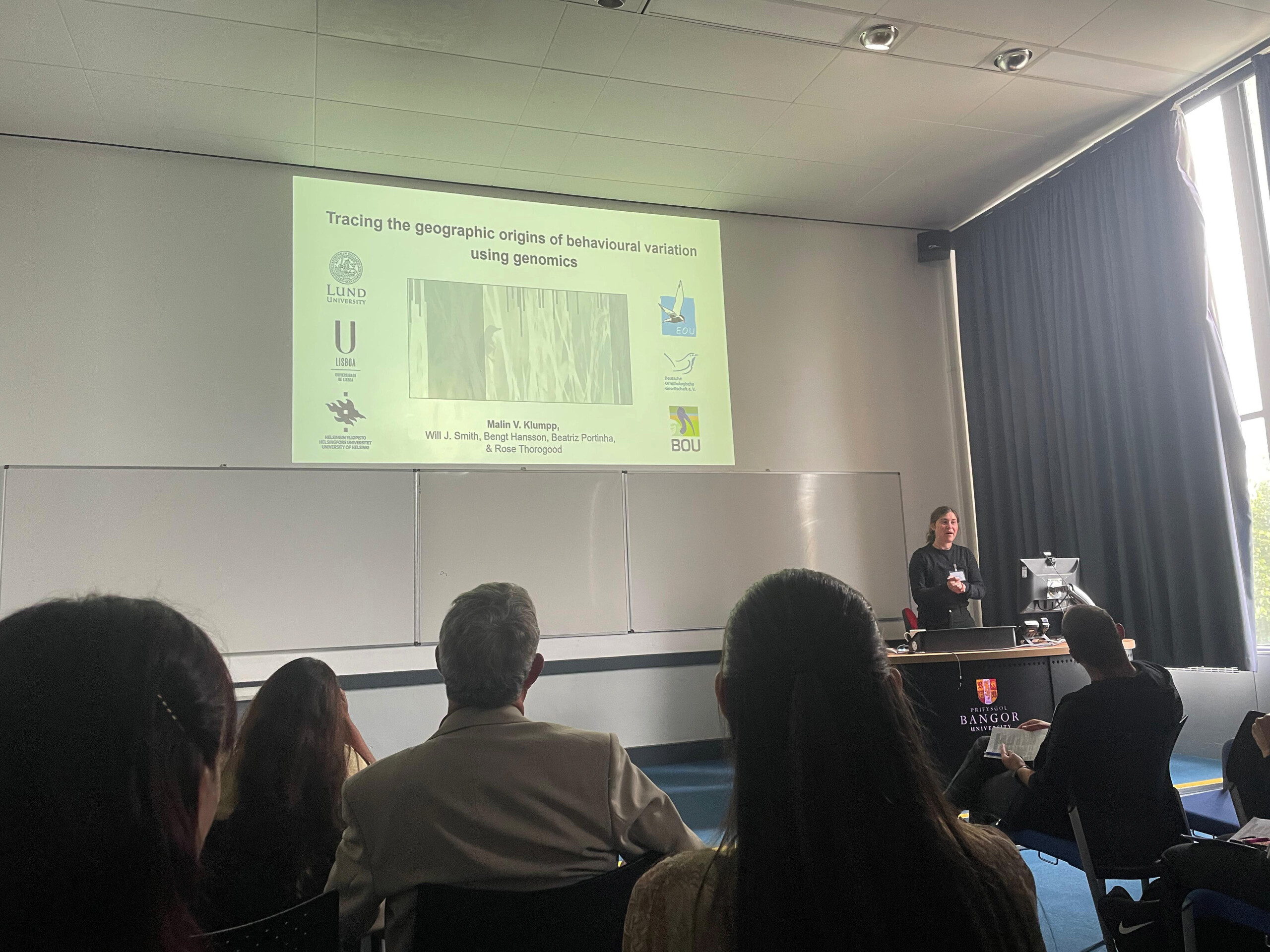 Figure 2. Malin during her talk on Friday afternoon © Rose Thorogood.
I am very grateful to the BOU for their generous support, which enabled me to attend the EOU Congress. It was an unforgettable experience to present my own research findings to other passionate ornithologists from across Europe, and a unique opportunity to connect with researchers working in fields that I would like to explore further as part of my planned PhD. Participating in the MSLG symposium and the roundtable on bird genoscapes in particular has opened up exciting opportunities for future collaborations. I rounded off a fantastic conference week with a few extra days in Wales, hiking in Snowdonia National Park.