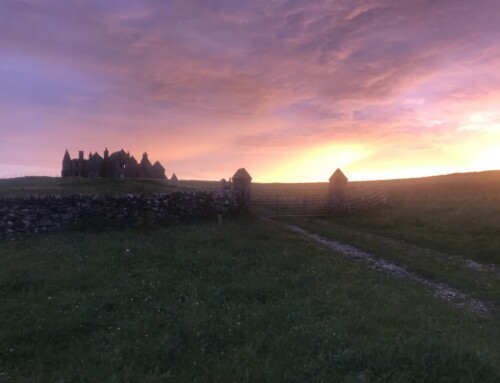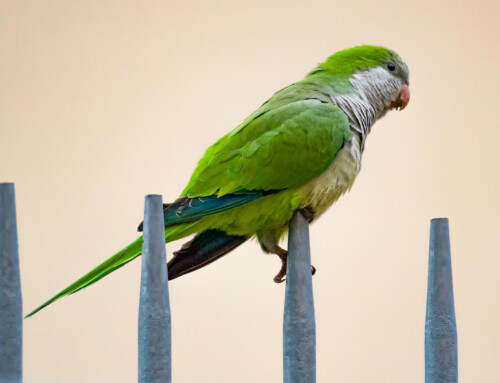




India, the world’s most populous nation and one of the largest tropical countries, is home to more than 1.4 billion people and over 1,300 bird species (nearly 12% of all bird species on Earth). Yet this massive biodiversity is increasingly colliding with one of the fastest rates of urban expansion in the world. Home to more than 22 million people, Kolkata (an Indian megacity) remains surprisingly rich in biodiversity, supporting over 200 bird species despite decades of urbanisation. The internationally important East Kolkata Wetlands continue to provide refuge for waterbirds and countless other species, while rapidly expanding areas such as New Town reveal how built-up land extension, disappearing vegetation, shrinking ponds and canals, urban heat islands and land surface temperatures are reshaping both bird communities and people’s everyday lives. As opportunities to encounter wildlife become gradually scarce, Kolkata provides a remarkable place to ask an urgent question: are people becoming disconnected from nature?
Ecologists call this phenomenon the ‘Extinction of Experience’ – the gradual loss of everyday interactions with nature that quietly weakens our relationship with the natural world. As cities grow denser and lifestyles become busier, birds, trees, wetlands and seasonal changes slowly disappear from our daily routines, our conversations and eventually our memories. This loss extends far beyond biodiversity; it influences our health, well-being, attitudes towards conservation and ultimately our willingness to protect nature.
For me, however, this question was never just scientific.
I grew up in Kolkata. Our terrace was alive with Common Mynas, Red-vented Bulbuls, House Sparrows and Spotted Doves. My grandmother often spoke about a pair of Barn Owls that used to seek refuge in our home. Neighbours celebrated the arrival of Rose-ringed Parakeets on their balconies as though old friends had come to visit. Conversations about birds were solely part of everyday life.
Then, almost without noticing, those conversations disappeared. Was I becoming too consumed by the technicalities of education and adult life to notice nature anymore? Or had the people around me also become disconnected? Had nature become less visible, or had we simply stopped looking outside? Somewhere between concrete, careers and crowded streets, our relationship with nature had quietly changed.
My PhD became an opportunity to search for those answers.
To understand the extinction of experience, we designed a structured questionnaire that explored an entire lifetime of interactions with nature. Rather than simply asking whether people liked birds or green spaces, we surveyed the journey of a person’s relationship with nature- from childhood experiences and everyday biodiversity encounters to urban wildlife perceptions, nature connectedness and socioeconomic circumstances. Alongside bird surveys across Kolkata, we conducted 600 face-to-face interviews throughout the city.
Surveying birds never worried me. Talking to 600 strangers certainly did.
Stopping busy people on roads, in neighbourhood parks and beside lakes, asking whether they could spare seven to ten minutes of their day to answer questions about nature, felt almost impossible. Fortunately, I was not alone. My colleagues joined me, and before beginning fieldwork our biggest strategy meeting was surprisingly simple:
“How do we stop people from walking away?”
We perfected a cheerful 30-second introduction, carefully rehearsing every word. We even developed what became our unofficial field technique- our most friendly expressions.
Our first respondents were two elderly women enjoying their evening walk at Rabindra Sarobar. Both were retired professors. Instead of politely declining, they welcomed us as though they had been waiting for somebody to ask these questions. They spoke about books on natural history, childhood memories of birds, early morning birdwatching walks and waking every day to the rhythmic ‘tok tok’ of a Greater Flameback outside their apartment window. Then one of them quietly reflected, “People don’t talk about these things anymore.”
Before leaving, they smiled and said, “You are doing something important. Kolkata’s birds deserve to have their fate understood, and Kolkata’s people need to start thinking about them again.”
That single conversation dissolved much of my anxiety.
As the weeks passed, the questionnaire became something far greater than a method for collecting data. It became a passport into people’s lives. We met school students, retirees, corporate employees, street vendors, homemakers, doctors, photographers, engineers and people from every imaginable background. Some interviews lasted exactly seven minutes. Others evolved into conversations that continued long after the final question had been answered.
Many youngsters admitted, almost apologetically, “We’re so busy. We’ve forgotten how to be with nature…. even how to nurture it.”
Corporate employees often looked at us with envy. “You’re lucky,” several said. “We spend our lives writing code inside air-conditioned offices. We love nature. We just don’t have time to meet it.”
There were subtle differences across the city too. Conversations in North Kolkata often unfolded effortlessly, while people in parts of South Kolkata initially appeared more reserved before slowly opening up.
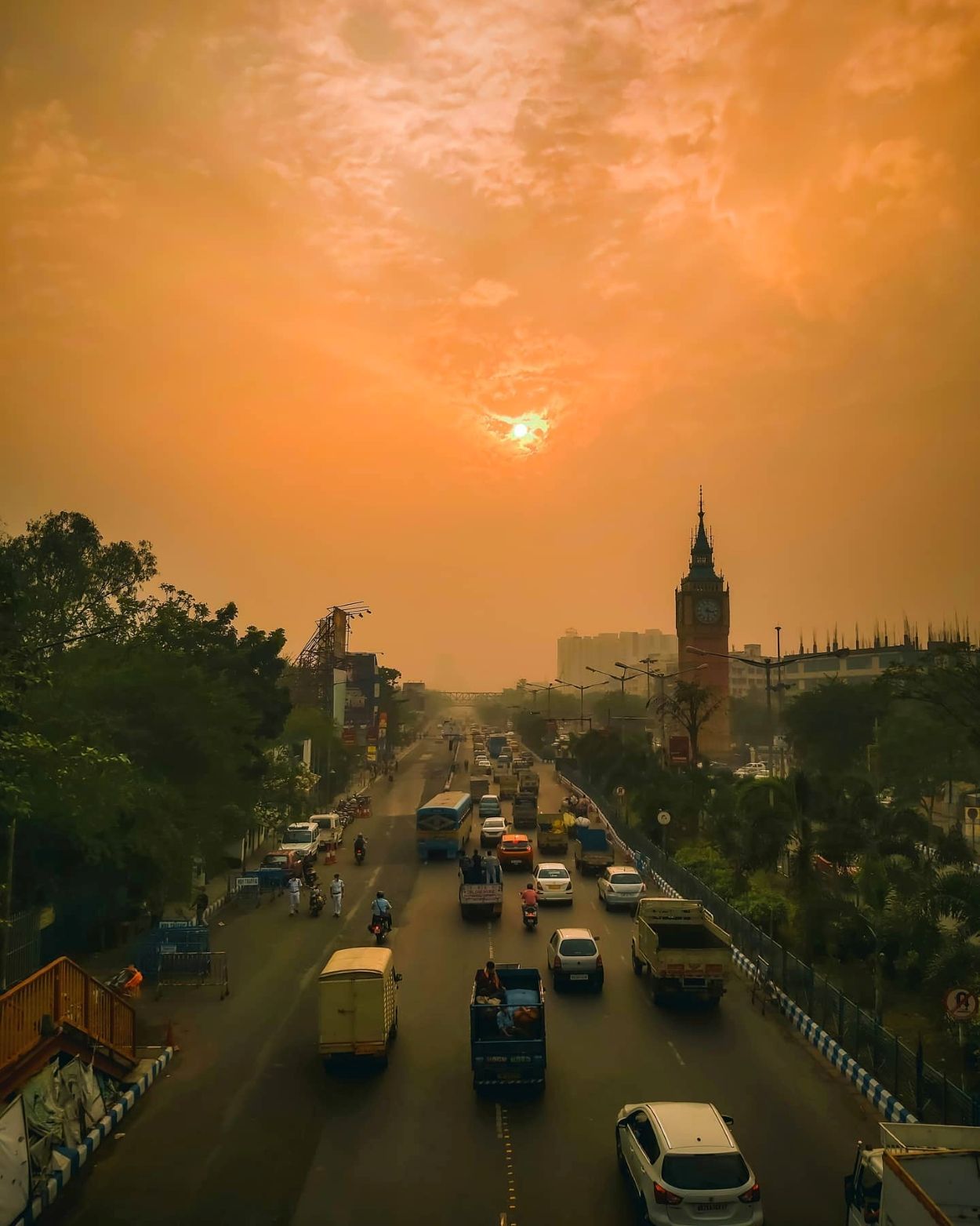 Figure 1. Sunset over a busy street that still makes room for nature © Ayon Dutta.
Some of the most memorable stories carried surprisingly little to do with birds themselves.
One woman I met in Tala Park described a childhood filled with birds, trees and curiosity. Then she quietly explained how marriage, household responsibilities and social expectations slowly replaced those passions. Her connection with nature had not disappeared because she stopped loving it, but it had simply been crowded out by the demands of life.
Many elderly men described youthful adventures, photographing birds and wildlife, climbing mountains and drinking crystal-clear water from waterfalls before careers and family responsibilities gradually confined those dreams to memory. Society expected them to become providers, and somewhere along that journey nature became a luxury rather than a companion.
Not every encounter unfolded in a way that could be easily captured by our questionnaire. One gentleman repeatedly told us, “I am a bird. We are all birds.” His responses did not provide enough information for us to understand where his experiences might fit within the pathways of extinction of experience that we were trying to examine, and so the interview could not be meaningfully included in the statistical analysis. Yet the conversation itself was unforgettable. He eventually concluded, with complete sincerity, “In my next life, I would love to become a bird.” We were momentarily astonished, but it also became one of those delightful, unexpected conversations that offered a welcome moment of lightness during a long day of fieldwork.
Several respondents in their early twenties remembered afternoons spent in parks listening to birds before academic expectations redirected every spare moment towards becoming doctors or engineers.
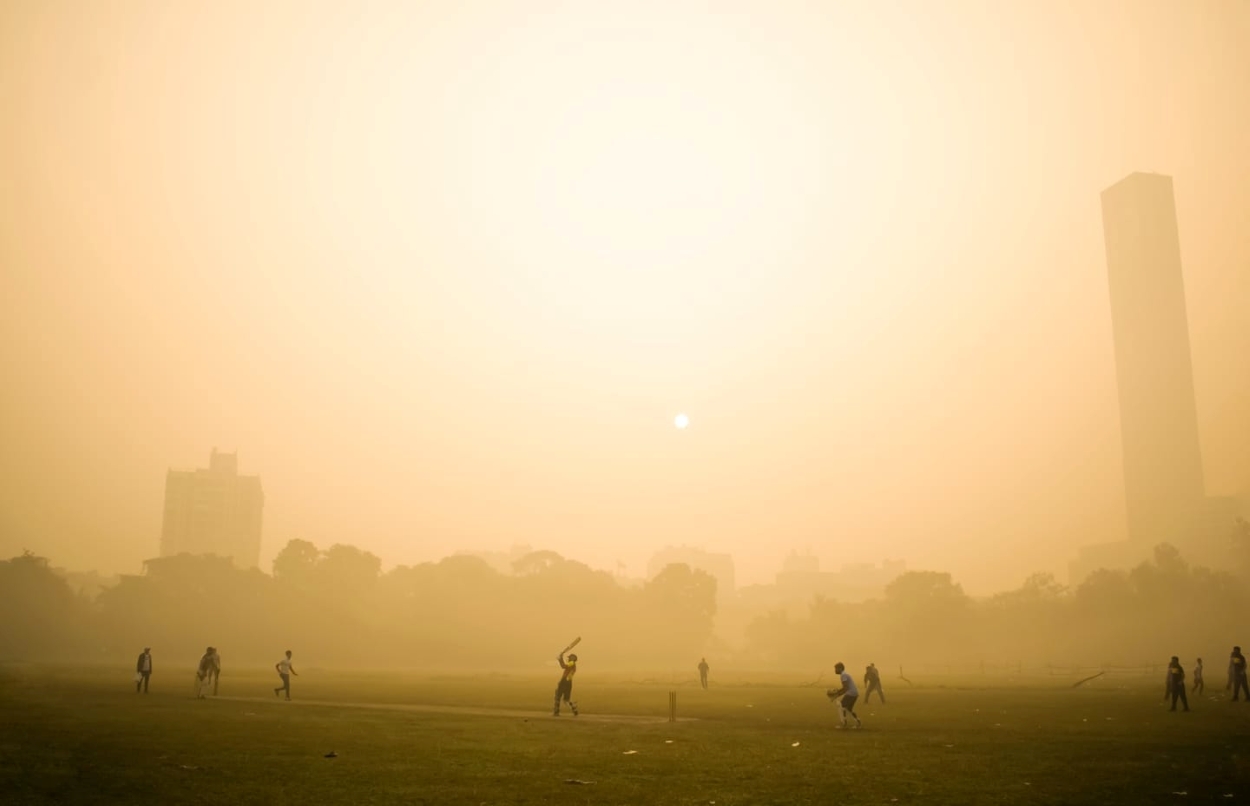 Figure 2. The Maidan – where cricket and biodiversity share the same landscape © Ayon Dutta.
Others revealed an entirely different reality.
For families living with very limited financial means, travelling to forests or national parks was unimaginable. Yet many still found beautiful ways to remain connected with wildlife. Sparrows nested outside their one-room homes. Mynas became neighbours. Small bowls of water and handfuls of grain transformed tiny balconies into sanctuaries. Their opportunities to experience nature were limited, but their affection for it remained remarkably strong.
With every interview, it became increasingly clear that the extinction of experience is not simply an ecological issue. It is also deeply psychological, cultural and social.
It is shaped by poverty and privilege, by childhood opportunities, by gender expectations, by demanding careers, by urban planning and by the relentless pace of modern life. People’s relationships with nature are rarely lost through a single event. More often, they fade quietly through thousands of small absences.
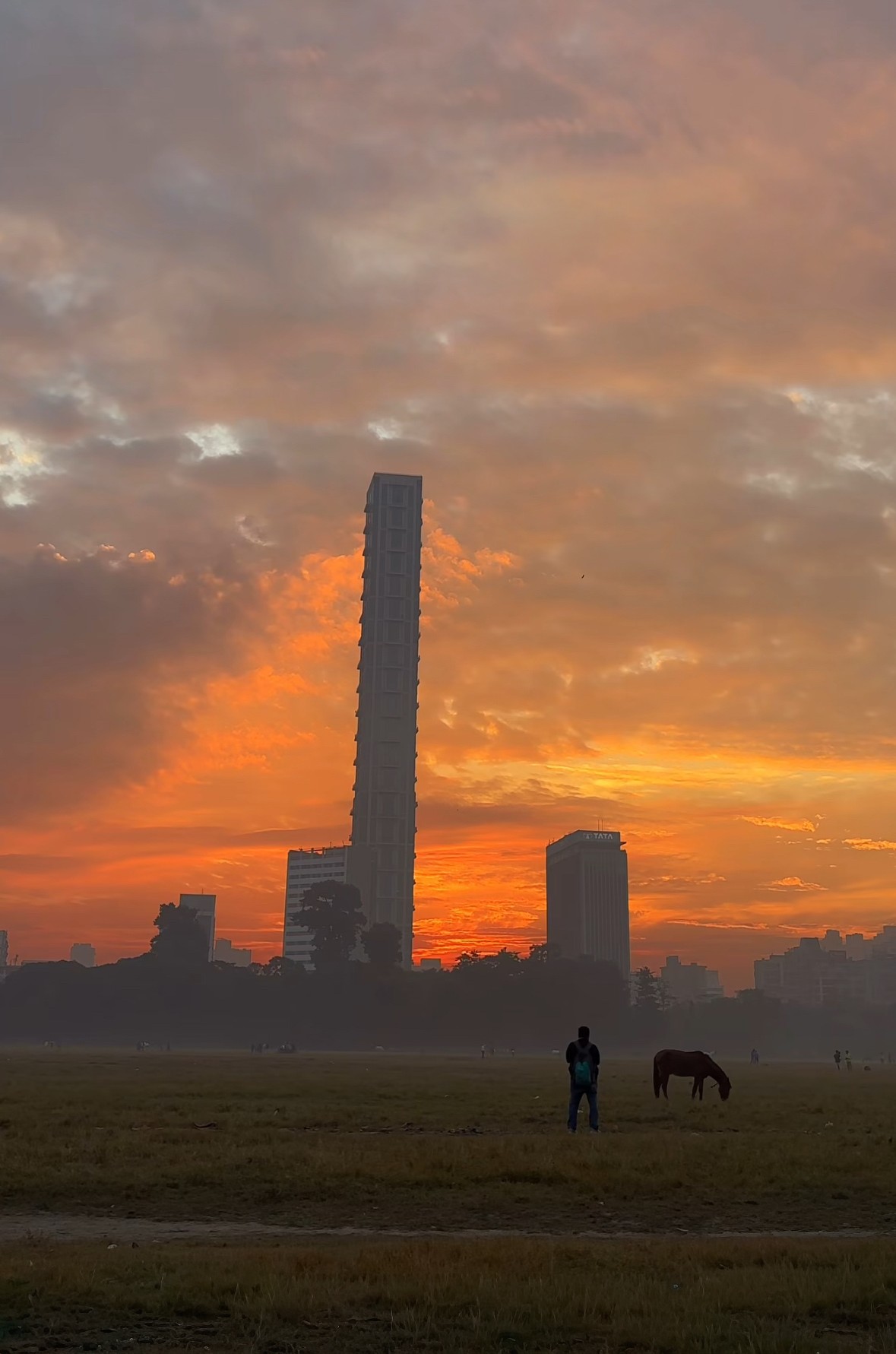 Figure 3. Urban green spaces are essential for maintaining biodiversity and ecological resilience © Ayon Dutta.
Of course, not everyone welcomed our work. Some people dismissed the questionnaire before hearing our first sentence. Others insisted there was little point in studying birds when cities faced so many other problems. A few believed conservation was already a lost cause.
But many more stopped. They listened. They reflected. They remembered. And perhaps that became the most unexpected discovery of all.
Beneath the traffic noise, deadlines and concrete, Kolkata had not completely forgotten nature. People were still searching for it- in the call of a sunbird outside a kitchen window, in sparrows nesting beside electrical meters, in memories of their childhood walks, in stories of mountains climbed decades ago, and in the simple joy of watching birds during a morning stroll.
We set out to measure the extinction of experience, expecting to document loss. Instead, we also discovered resilience.
Sometimes, all it takes is one question about nature for an entire lifetime of memories to come flying back. And perhaps that is where conservation truly begins. Not only with statistics or species lists, but also with conversations that remind people of a relationship they had almost forgotten they had.
References
Awoyemi, A.G., Ibáñez-Rueda, N., Guardiola, J. & Ibáñez-Álamo, J.D. 2024. Human-nature interactions in the Afrotropics: Experiential and cognitive connections among urban residents in southern Nigeria. Ecological Economics 218:108105.VIEW
Colléony, A., Cohen-Seffer, R. & Shwartz, A. 2020. Unpacking the causes and consequences of the extinction of experience. Biological Conservation 251:108788.VIEW
Gaston, K.J. & Soga, M. 2020. Extinction of experience: The need to be more specific. People and Nature 2(3):575-581.VIEW
Izquierdo, L., Ramos-Chernenko, A., Jokimäki, J., Tryjanowski, P., Benedetti, Y., Díaz, M., Kaisanlahti-Jokimäki, M.L., Morelli, F., Pérez-Contreras, T., Rubio, E. & Sprau, P. 2025. Urban development type, biodiversity and the extinction of experience. Biological Conservation 311:111417.VIEW
Image credit
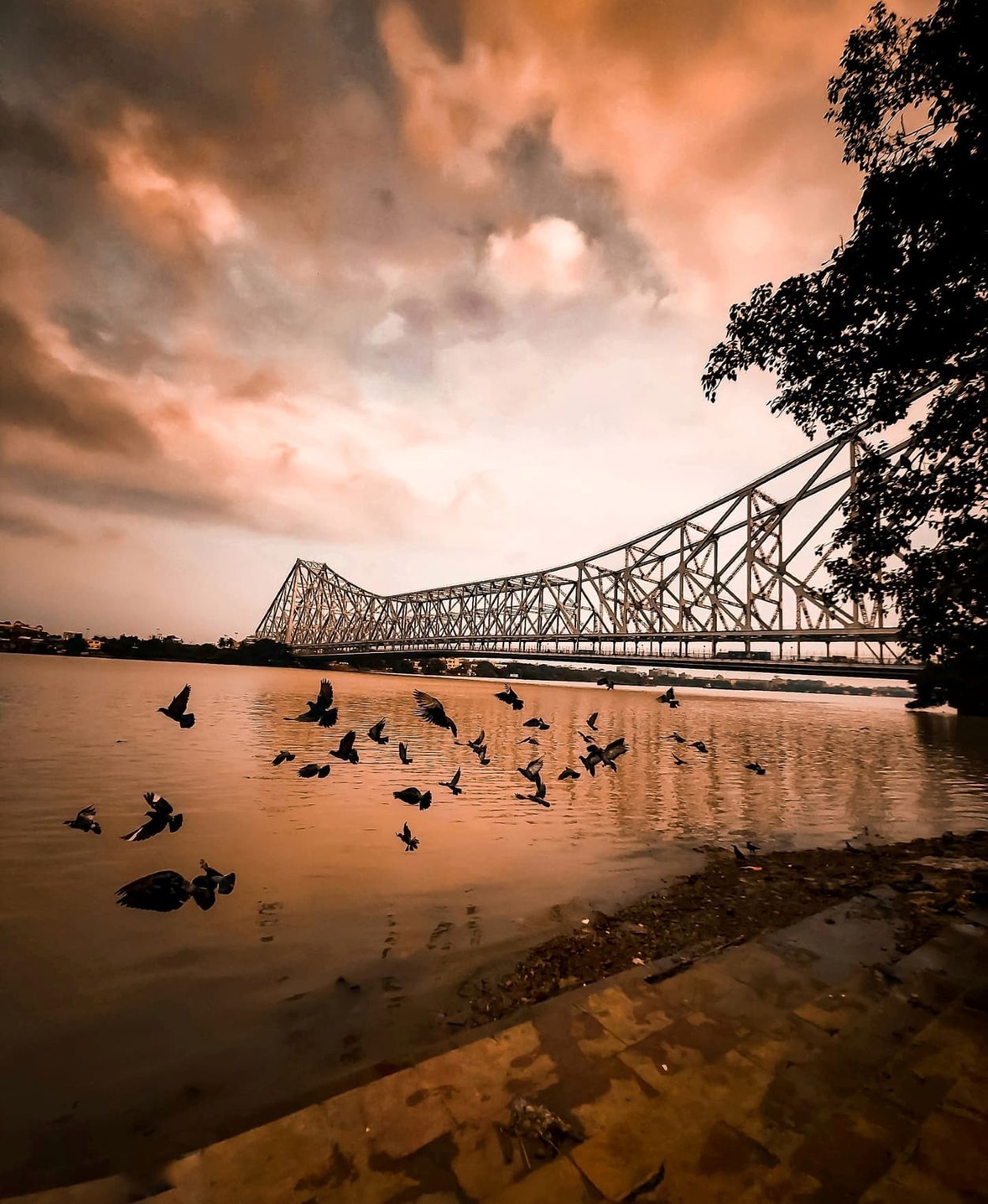
Top right and featured image: Birds soar above the city’s busiest crossing, Howrah Bridge © Ayon Dutta.