


As some Mediterranean gulls migrate from Italy to the UK, I couldn’t miss the opportunity to follow their trails and visit the UK for the 15th European Ornithological Union (EOU) Congress. I may not have been so lucky as to spot any of said gulls in Wales, but I was lucky enough to discuss their migration with colleagues and prospective collaborators. It was about time to put this declining yet understudied species in the spotlight.
On the first day of the EOU, I was delighted to present the results of my second PhD chapter, on the migration of the Mediterranean Gull (Ichthyaetus melanocephalus). This project, which I led, is a joint effort between 16 researchers from five different countries to study the migratory movements of the Mediterranean Gull using GPS-tracking data. As this is the first project of such scale studying the species’ migration using fine-scale spatiotemporal data, I was more than excited to share our findings. Understanding the spatial ecology of this declining species is the first step towards its strategic conservation.
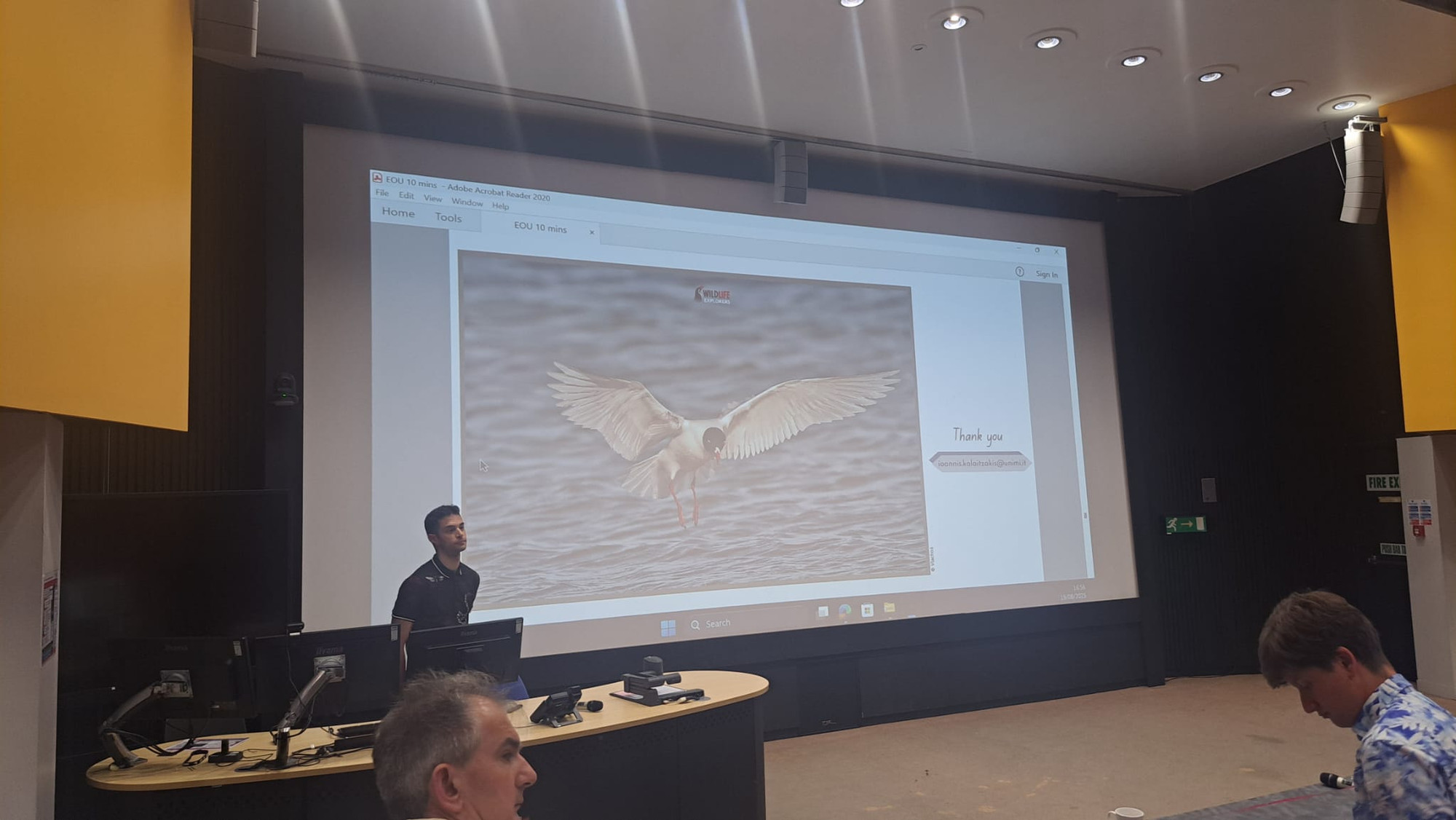 Figure 1. Ioannis Kalaitzakis discusses with the audience his presentation on the migration of the Mediterranean Gull.
The conference was the optimal platform to discuss the current state of research on the species. I was approached by researchers working on the same species to discuss their work and explore potential future collaborations. Additionally, other researchers, who may not yet have studied the Mediterranean Gull, approached me showing interest in my work and specifically the intriguing migratory tactics of this gull. Therefore, I consider one of my main goals for this conference achieved: raising awareness for the species. I am optimistic that, thanks to the visibility gained during the EOU, Mediterranean Gulls might receive more consideration in future management actions, with our project setting the basis for future conservation projects.
As it is well known, conferences offer the perfect networking opportunity. Staying up to date with the latest advances in ornithological research and connecting with ornithologists is essential for generating new ideas and identifying research gaps: the perfect recipe for project creation. Apart from discussing my project, I had the opportunity to discuss other fascinating studies presented and exchange ideas with other researchers. This expanded my network since I came across researchers whom I would consider collaborating with during my post-PhD career. I often think of creating a project as solving a puzzle: you start with a core idea and then put together a network of people with the same interests to materialise said idea into a final product. As such, scoping ornithologists and experts from diverse fields is always the key step forward.
During the EOU, I was also able to educate myself about areas of ornithological research I was less familiar with. Attending plenary talks and oral presentations, along with the discussions developed during the lively poster sessions, allowed me to deepen my knowledge of the field. Many of us are very immersed in our projects that we sometimes forget to take a step back and rekindle our passion for ornithology. This conference was a timely reminder of that, and it therefore reignited my childlike excitement to learn about ecology.
As I reflect on this experience, I cannot express my gratitude enough for having had the opportunity to participate. I believe that conferences are the cornerstones of science, as they serve as learning, outreach and networking platforms. Therefore, the BOU’s initiative to financially support ornithologists is invaluable. I am deeply thankful to the BOU for awarding me the conference attendance grant to attend the 25TH EOU, and I look forward to joining more conferences in the future!
Image credit
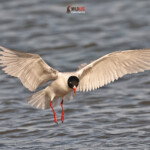
Top right & featured image: Mediterranean Gull © Chris Vlachos.