
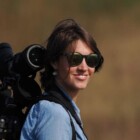


Back in May, I was delighted to be on BBC Radio 4’s Woman’s Hour, talking to Anita Rani about female bird sounds, an area highlighted in The Sound Approach to Birding second edition (Mark Constantine, 2026). What an honour to be on such a programme and to research such a book!
But when it comes to the subject matter, why am I not surprised? Just as women have been overlooked in sports, medicine, business, politics, generally the world, they’ve also been overlooked in ornithology. Jasmine Donahaye provides a brilliant insight into this in Birdsplaining (2023). Our interest at The Sound Approach was in bird sounds and the lack of female sounds represented (see Riebel et al. 2019 for example), but in going down this rabbit hole it was clear that from plumage to naming, field guides to photography, citizen science and popular culture, the preference for the male is evident.
This has re-sparked a discussion that I first became embedded in a few years ago, when female birders and naturalists (including myself, Lucy Hodson, Amy Jane Beer and others) began to challenge the hobby and the professional nature industry to do better with female inclusivity. As well as the topics studied within ornithology (like female bird sounds), there are still issues around female representation in birding, sexism, safety and wellbeing, inclusion and diversity.
Call it out
In 2021, I wrote a piece for BirdGuides that received thousands of hits in its first weekend, entitled Call It Out. It was one of the most challenging pieces I’ve written and was met with a mixed reception. Predictably, there were those that were negative: everything from ambivalent to disbelieving to downright outraged. However, I was also very pleased (dare I say, surprised?) at how many male birders approached the piece with open-mindedness, self-awareness and a willingness to engage in a positive way.
The topic of women’s safety in nature is once again being covered on podcasts, social media, in articles and more. The topic was discussed on the main stage at Global Birdfair; it’s taken long enough, but I am delighted at this and hope we can see more.
Groups like Birds and the Belles and the Birding Girlies are creating a safe space for women in birding to network and explore this wonderful hobby, with a strong online presence as well as actively leading walks and gaining exposure at events. The branding is undoubtedly aimed at a younger generation (at 35, I’m admitting defeat and marching into middle age!), but it’s cool. One of my favourite aspects of these networks is women supporting women. A man once spent so much time trying to get me to compete with other young women in birding, like there wasn’t enough space for all of us. Why wasn’t I pushing myself forward more, why hadn’t that opportunity come to me? There’s enough space for us all, particularly if men make room.
Sexism in the nature sector
However, as women, there’s a long way to go before we feel safe in wild spaces. I still walk with my keys between my fingers in some areas, remain hyper aware of my surroundings, check I’ve always got signal and battery. I still share controversial pieces like this with trepidation, and avoid some areas of social media and forums. When this blog is live, I will worry if I see the names of certain people pop up on my phone, and I sure-as-hell won’t ever check the comments section. Protecting my peace is balanced with an obligation to keep speaking up.
Last year, I went to a gorgeous, birdy wedding. Whilst it was a delightful day, after sharing experiences and swapping stories with other female birders, I left feeling frustrated, even angry. Every one of us had experienced sexism or danger within the nature sector: mansplaining and patronising behaviour, receiving unsolicited photos online, sexual harassment, stalking (online and in real life), and more. In more than one case, the police were involved. Others had experienced abuse from ex-partners. Last year, I received a jovial but pointed threat not to go to a certain city as myself and another prominent female birder would be “pushed off a seawall”. There is a definite vibe from some men and women of a certain age that we shouldn’t challenge this behaviour, that it’s classy to keep our woes private – that when women speak up, we are airing our dirty linen. Sigh.
Do you like birds?
Whilst at Birdfair, I was with my partner, chatting away on an optics stand, and one of the salespeople asked me: “do you like birds?” Nah mate, I’m just here, looking through a ‘scope, hanging out with birders, chatting about birds, at the world’s biggest birding event, because I don’t like birds. Sigh again.
It’s very easy to justify this as a friendly question: you don’t look like a birder, you’re not dressed like a birder, he was just making conversation, your partner might have dragged you there, but I can guarantee he did not direct that question to a single man over the weekend. And did I challenge him? No, I smiled and appeased him politely, because as a woman, that’s what we’ve been trained since childhood to do. Why am I not naming the company? Because I’m friends with other (male) birders who represent that company, and I don’t want them to be put in a difficult position. More sighs.
What could he have asked? How about, ‘what do you think of the ‘scope?’ or ‘do you own any optics at the moment?’ or ‘how long have you been birding?’ or a myriad of other non-patronising questions that made me feel included and welcome. Instead, I was reduced in a question to a plus-one, his assumption being that it was more likely I had been dragged along by my partner than I had a genuine interest in being there. It’s one person, not a big deal, an innocent misunderstanding. But when you add it all up, it’s exhausting.
Too much to ask?
One female naturalist and friend felt she couldn’t attend Birdfair because those who had made her feel so uncomfortable were still given a platform. There wasn’t much she could do; what would be the cost of her calling it out, emotionally, financially, and for her professional reputation? However much it pains me that she doesn’t feel safe in that space, she chose to protect her peace, and I don’t blame her. When we try to confront this behaviour, the kickback is aggressive.
Things are changing. I look back on the 15 years I’ve spent in the environmental sector and birding and things are improving. But it is slow. Diversity of voices, experiences and opportunities is integral if we’re going to save nature for future generations; but at a more basic level, everyone has the right to enjoy it, without harassment, danger, patronisation or belittlement. We just want to go birding, and get the same joy, wonder and fulfilment out of it as our male counterparts. That’s not too much to ask, is it?
If you are interested in contributing to the #BOUdiversityBlog, please get in touch with us via this form which ensures anonymity for those who seek it.
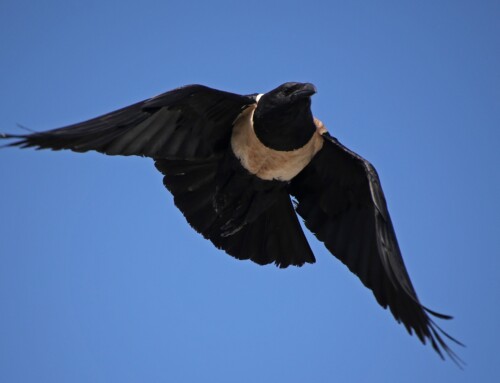
Featured image credit: CCO PD pixabay.com