

In the summer of 2021, with a year left of my PhD studying seabird breeding ecology, I was tuning in to a virtual meeting of the American Ornithological Society and Society of Canadian Ornithologists–Société de Ornithologistes du Canada. During that conference I attended a session run by Birdability, a US-based NGO with the vision that ‘birding truly is for everybody and every body, regardless of disability or other health concerns’. Afterwards, I Tweeted: “Something I learned from @birdability at #2021AOS_SCO: accessibility considerations should not be considered by able-bodied birders as ‘us versus them’, it is our future selves – be that having kids in buggies, increasingly dodgy knees, temporary disability due to injury, etc.”. I then went on to buy the t-shirt, both literally (see Birdability’s Bonfire store here) and figuratively: less than a year later I became Disabled myself.
Having suffered a spinal cord injury that originally left me almost completely paralysed from the shoulders down, I have been extremely fortunate to recover much of that movement, and now walk independently (with the help of an ankle-foot orthosis and a walking stick when out of the house). Nature lifted my spirits while I was in hospital for five months: I kept bird lists from my rooms with outside views, spent a lot of time in the spinal unit’s lovely garden, and was taken out by friends to Wiltshire Wildlife Trust’s Langford Lakes reserve, where the trails and accessible hides allowed me to enjoy Lapwing, Pintail, Cetti’s warbler, Kingfisher and even Otters from my wheelchair. I did have to learn early on following discharge to not let birds (in this case, Ring-necked Parakeets) distract me from paying attention to where I was putting my feet, after I had to be pulled out of the flowerbed in my local park – thankfully, unharmed aside from my dignity…
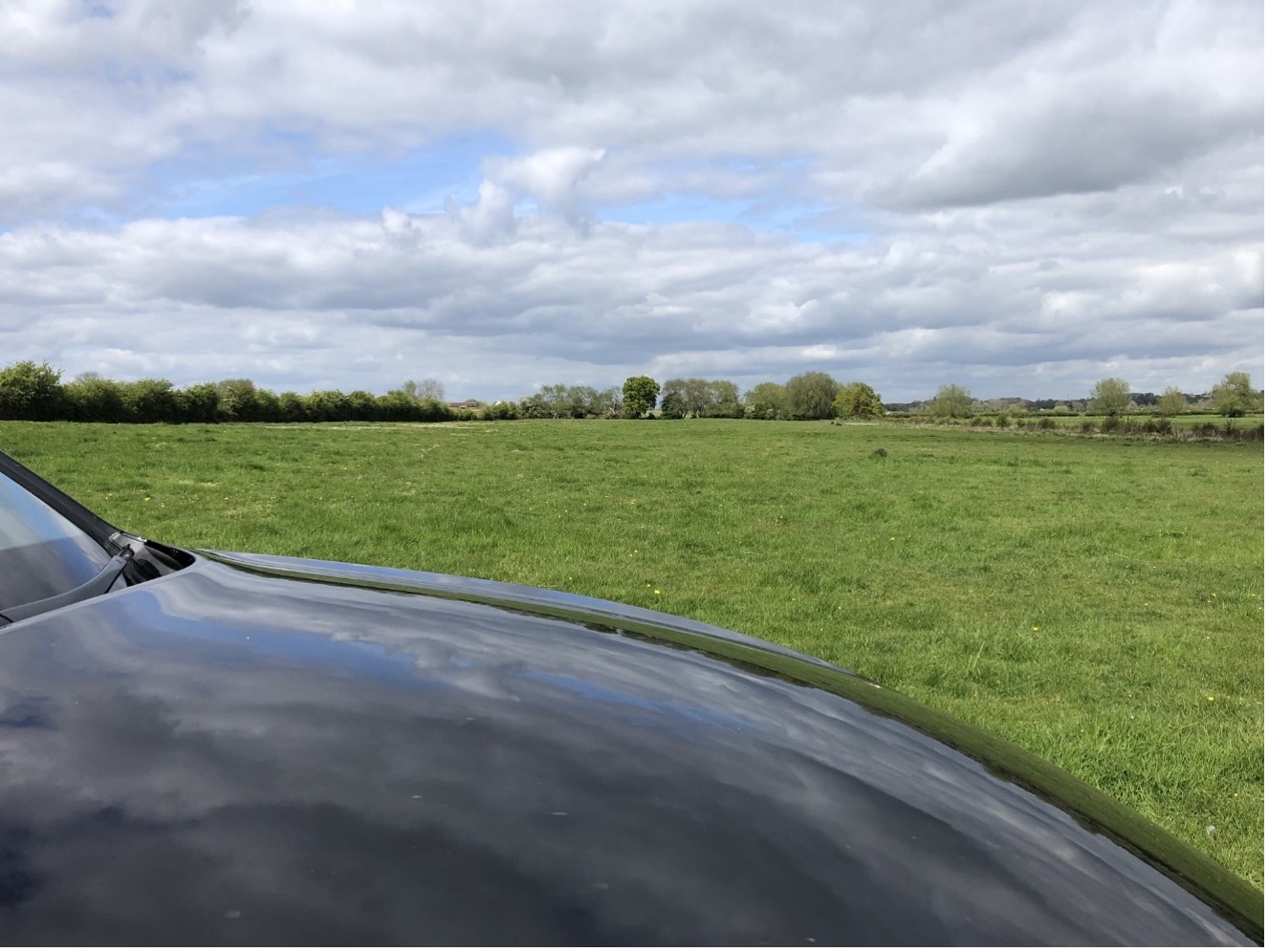 Figure 1. Exploring the Severn & Avon Vales (one of WWT’s Curlew project areas) via 4×4, April 2024. © Alex Nicol-Harper.
A few months after getting out of hospital, I was delighted to start a permanent role as a Principal Research Officer at WWT, the wetland charity. They were a CASE (non-University) partner on my PhD, so it was familiar territory, and both my thesis and new job were essentially entirely desk-based (my background is in population modelling, which these days I supplement with a range of statistical analyses and some project management). However, as a professional ecologist focusing on ornithology, I do get the opportunity to join colleagues in the field for various outings. Making use of non-traditional mobility aids like my colleagues’ field trucks, I’ve often benefitted from kind offers to drive me part of the route to better eke out my limited endurance for walking and/or to bypass rougher terrain. Outside of work, I’ve also enjoyed accessing outdoor spaces with the help of manual wheelchairs (pushed by a relative or friend), trampers/mobility scooters (self-driven), a ‘mountain trike’ (essentially a hardcore offroad manual wheelchair, powered by my long-suffering best friend), and adapted bicycles (side-by-side trikes or once I was even mounted on the front of a specially designed e-bike).
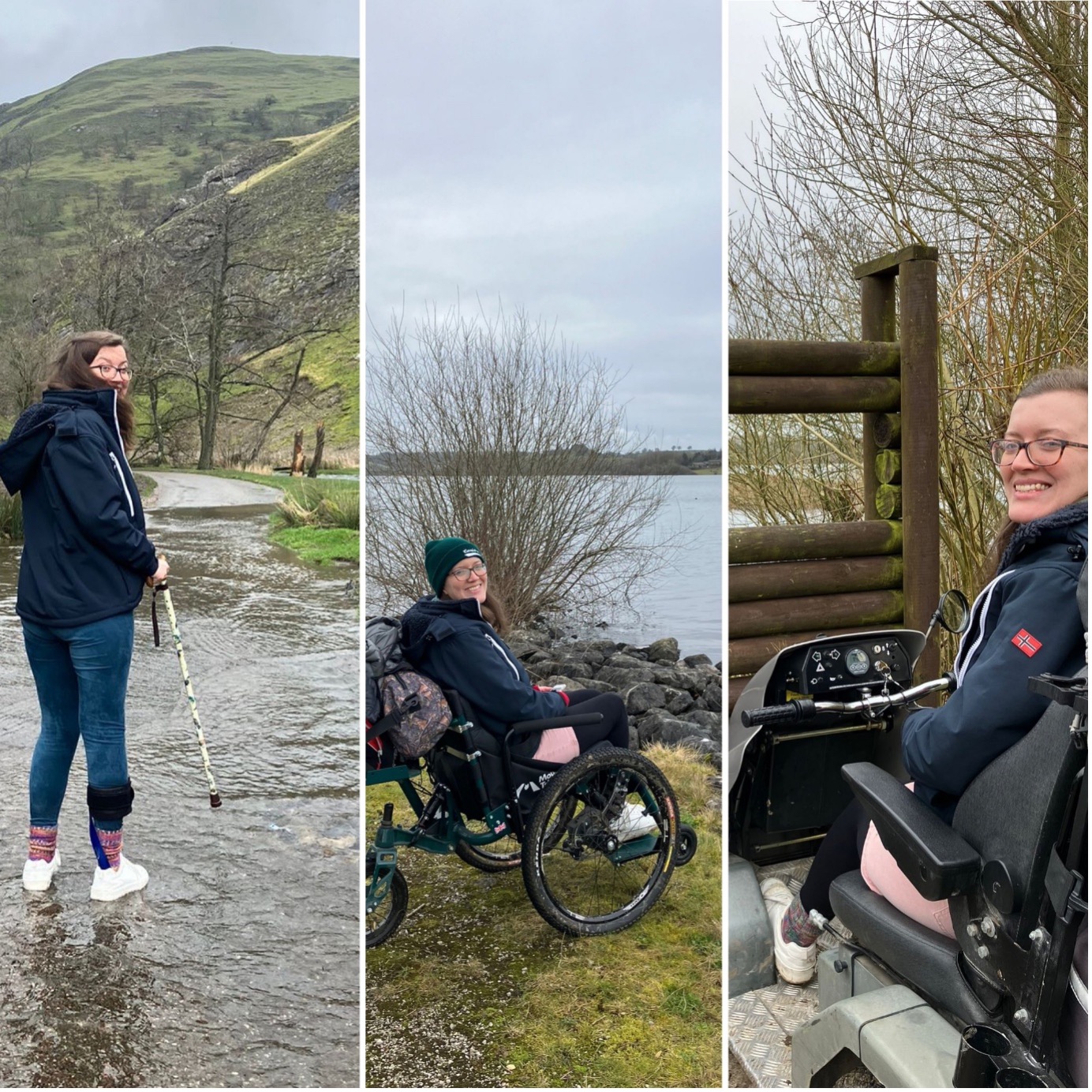 Figure 2. Various mobility aids being used to get out and about in the Peak District, February 2024 – the ‘mountain trike’ (centre) and tramper (right) were loaned from Carsington Water. © Lucy Greehy.
Family members and colleagues have also helped me to attend ornithological conferences and workshops by assisting with travel (juggling suitcases and so forth) – including accompanying me on the associated excursions, such as watching flamingos in the Étang de Méjean on the south coast of France. I’m lucky to have received an Access to Work grant from the government, that reimburses the portions of my trip expenses incurred by ‘support workers’ not employed by WWT. Do speak to your HR team if you could benefit from something like this; there’s also a category for ‘specialist equipment’ including office wheelchairs, adapted desks, etc.
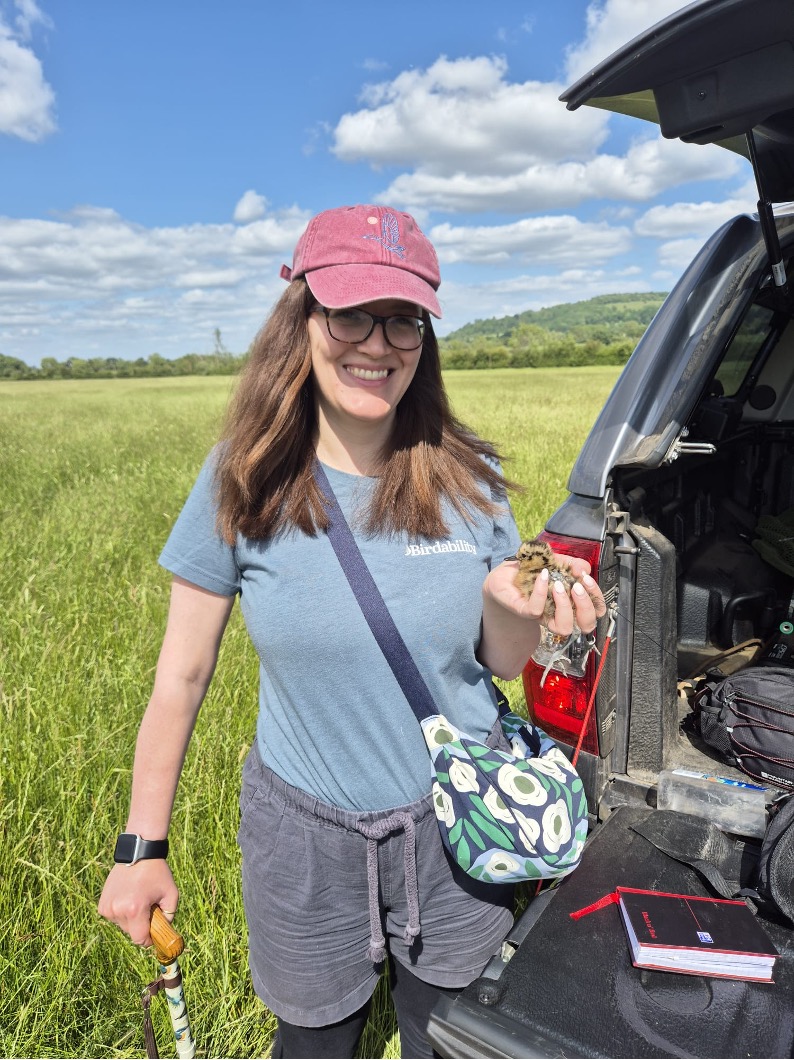 Figure 3. Helping to monitor Curlew chicks as part of WWT’s Severn & Avon Vales project, June 2025 – farm accessed with landowner permission and birds handled under licence. Note the Birdability tee and bird-patterned walking stick! © Dan Gornall.
If you’re reading this as an able-bodied ally, you’re probably now wondering – what can I do to make ornithology and birding more welcoming and inclusive? Here’s a little list of things to consider:
- Don’t ask people you don’t know “what happened?”; it’s an invasion of privacy, may bring up traumatic memories of a disabling event, and makes it obvious that the first thing you’ve noticed about them is their disability (or other visible physical difference). As a good rule of thumb: if you wouldn’t ask someone why they wear glasses, consider not asking why they use a mobility aid. If you want to engage positively with someone about their disability, why not ask how they’re finding the accessibility where you are?
- When asking about accessibility needs, obviously do this for anyone that you know may need accommodations, but try to get into the habit of doing it as a matter of course. Confession: I was mortified to realise when meeting a new data analysis volunteer at WWT’s headquarters a few years ago, that as a Disabled person myself, I hadn’t thought to ask if they had any accessibility needs! So, where possible, try and practise making this a routine action, rather than putting the onus on those who do require accommodations to contact you. Conferences are getting better about this (e.g. sharing information about venue’s step-free access), but there’s still room for improvement.
- Think beyond physical access for those with mobility issues – can you cater to people with other disabilities or conditions? For example, Birdability provides Tips and Resources for Birders who are Blind or have Low Vision and a primer on Understanding Neurodiversity And Embracing Cognitive Diversity in Birding.
- Additionally, don’t forget toilets! There are many reasons why folks, including those who identify as able-bodied, may not be able to spend half a day in the field without a toilet break, and not everyone is physically able or comfortable to squat behind a hedge for a ‘wild wee’.
Finally, why not tune in to Birdability Week, which runs from 19th to 25th October: this year’s theme is “Bird Where You Are”, inviting people to “notice the birds around you in whatever way works best for you” (remember, there is no set way to ‘bird’ to be welcome within this community!). There are a wide range of online events, including some taking place during the evenings in the UK time zone. If you happen to be in the US then please attend one of their Accessible Outings on my behalf! Birders anywhere in the world are encouraged to submit a site report to the Birdability Map, but thus far there’s only one entry in the UK (coincidentally, WWT’s Llanelli centre). Perhaps you could contribute a Birdability Site Review and hence improve the accessibility information available for a favourite birding location?
If you are interested in contributing to the #BOUdiversityBlog, please get in touch with us via this form which ensures anonymity for those who seek it.
Featured image credit: CCO PD pixabay.com