


LINKED PAPER Continued population recovery and high annual survival rates of White-rumped Vultures in Nepal. Mallord, J.W., Joshi, A.B., Chaudhary, I.P., Thakuri, D.C., Thapa, I., Bhusal, K.P., Rana, D.B., Dhakal, B.K., Galligan, T.H. & Green, R.E. (2026) Ibis. VIEW

The White-rumped Vulture (WRV; Gyps bengalensis), endemic to South and Southeast Asia, was once possibly the most abundant large raptor in the world. In 1985, renowned vulture expert, David Houston, wrote “It is very abundant throughout India… …Its ability to live alongside man probably makes it the least vulnerable of all vultures…”. Yet it was this close relationship with humans that ultimately led to the species’ downfall and near extinction, when millions of vultures were unintentionally poisoned by the veterinary drug diclofenac. This led to declines of more than 90% across South Asia.
This led to the banning of diclofenac for veterinary use in 2006, although the illegal use of diclofenac has continued ever since, especially in India. However, the ban almost certainly prevented the extinction of four species of endemic Asian vultures.
Nepal has been particularly successful in eliminating diclofenac from the veterinary market, which has led to the rapid, albeit partial recovery of the WRV population. In our study, we report on the most up to date road transect surveys of vultures.
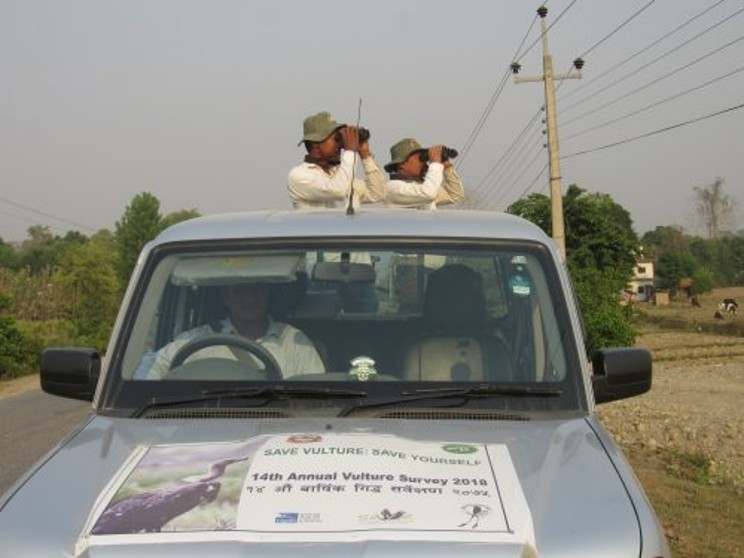 Figure 1. Bird Conservation Nepal staff counting vultures during a road transect survey. © Bird Conservation Nepal
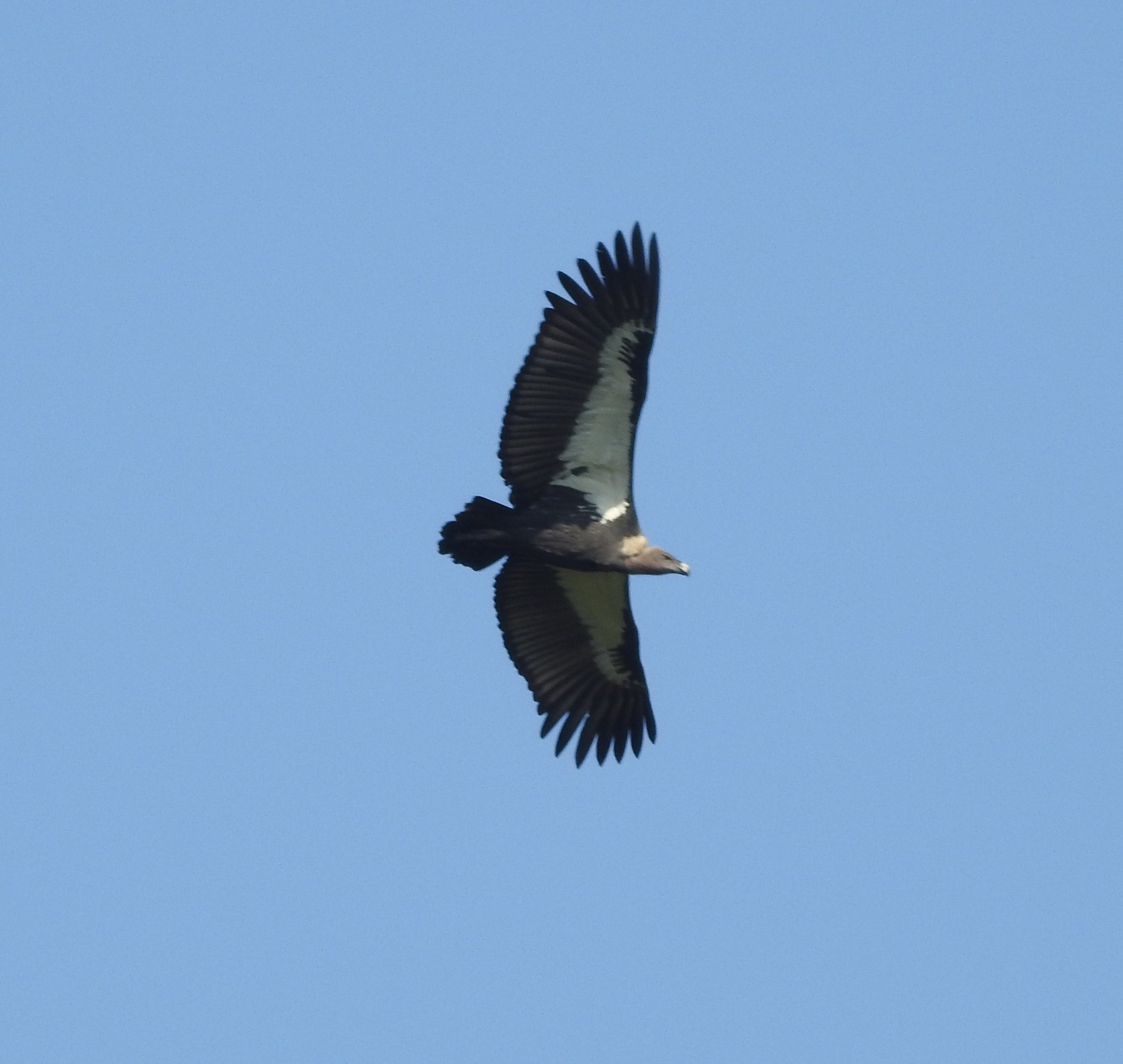 Figure 2. A soaring adult White-rumped Vulture. © John Mallord
These surveys, last carried out in 2025, have shown that the WRV population has continued to increase at a rate of 12.7% per year since the population low point in 2012. This is a rapid increase, possibly as fast as it could be for a large bird that has no more than one chick per year. We wanted to know whether this rate of increase could be explained purely by demographic rates such as survival and productivity, or whether immigration from neighbouring India has played a role, and whether the trend was biased by an increase in the number of vultures observed at Nepal’s main Vulture Restaurant.
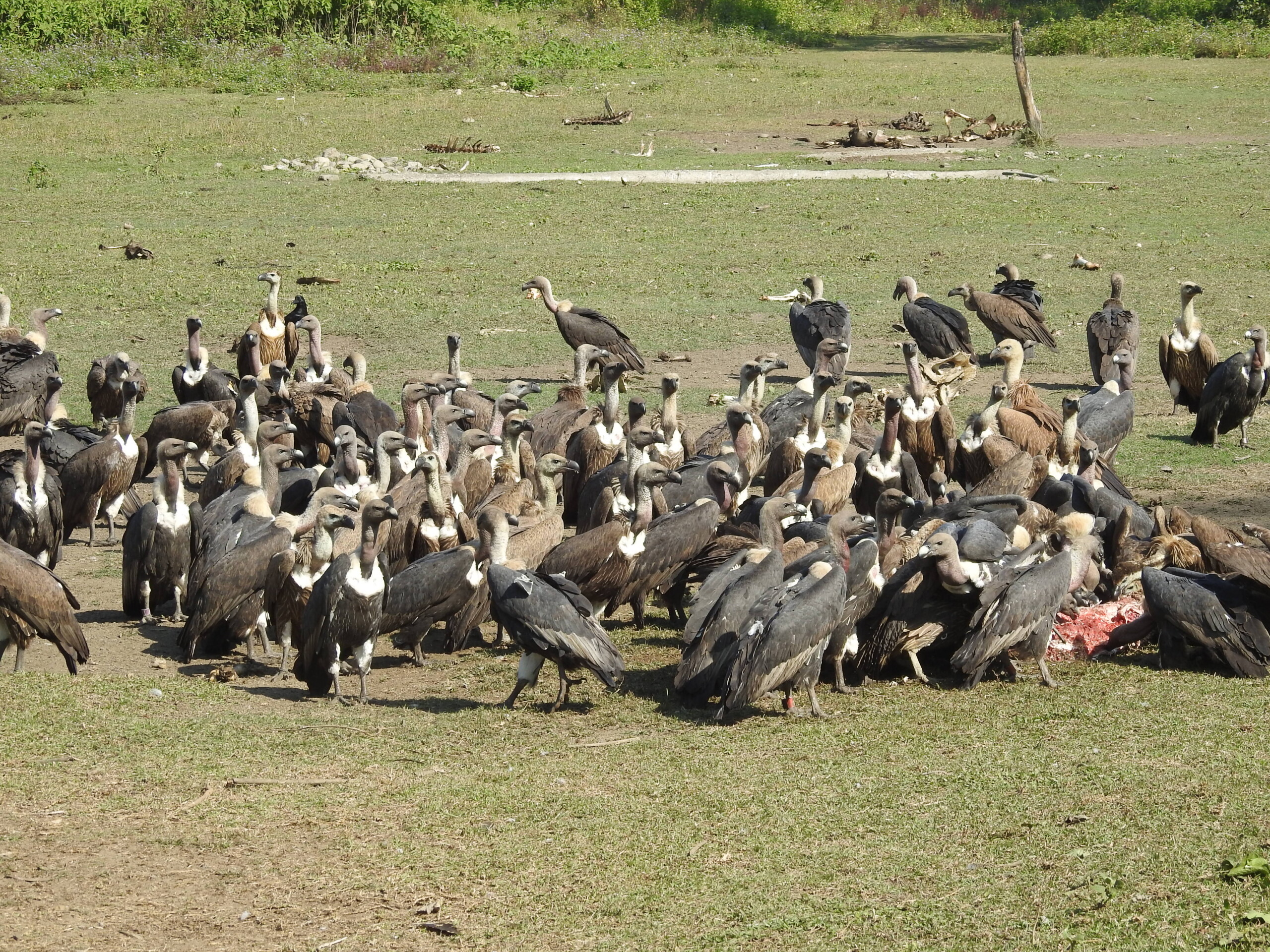 Figure 3. Several hundred vultures of up to eight species are regularly attracted to Nepal’s main Vulture Restaurant in Kawasoti, Nawalparasi District. © John Mallord
We modelled population trends in three separate ways. Firstly, we composed a simple age-structured Leslie population matrix model (LMM), assuming constant productivity and a stable age structure. We used values for annual survival of adults and subadults of wild GPS-tagged WRV, and juveniles (from a related species), along with productivity figures from annual nest monitoring across Nepal. Secondly, we estimated the intrinsic rate of population increase using the Demographic Invariants Method, which utilises estimates of annual adult survival and age at first breeding (4 years). Finally, we constructed a detailed simulation model, which allowed us to relax some of the assumptions of the LMM.
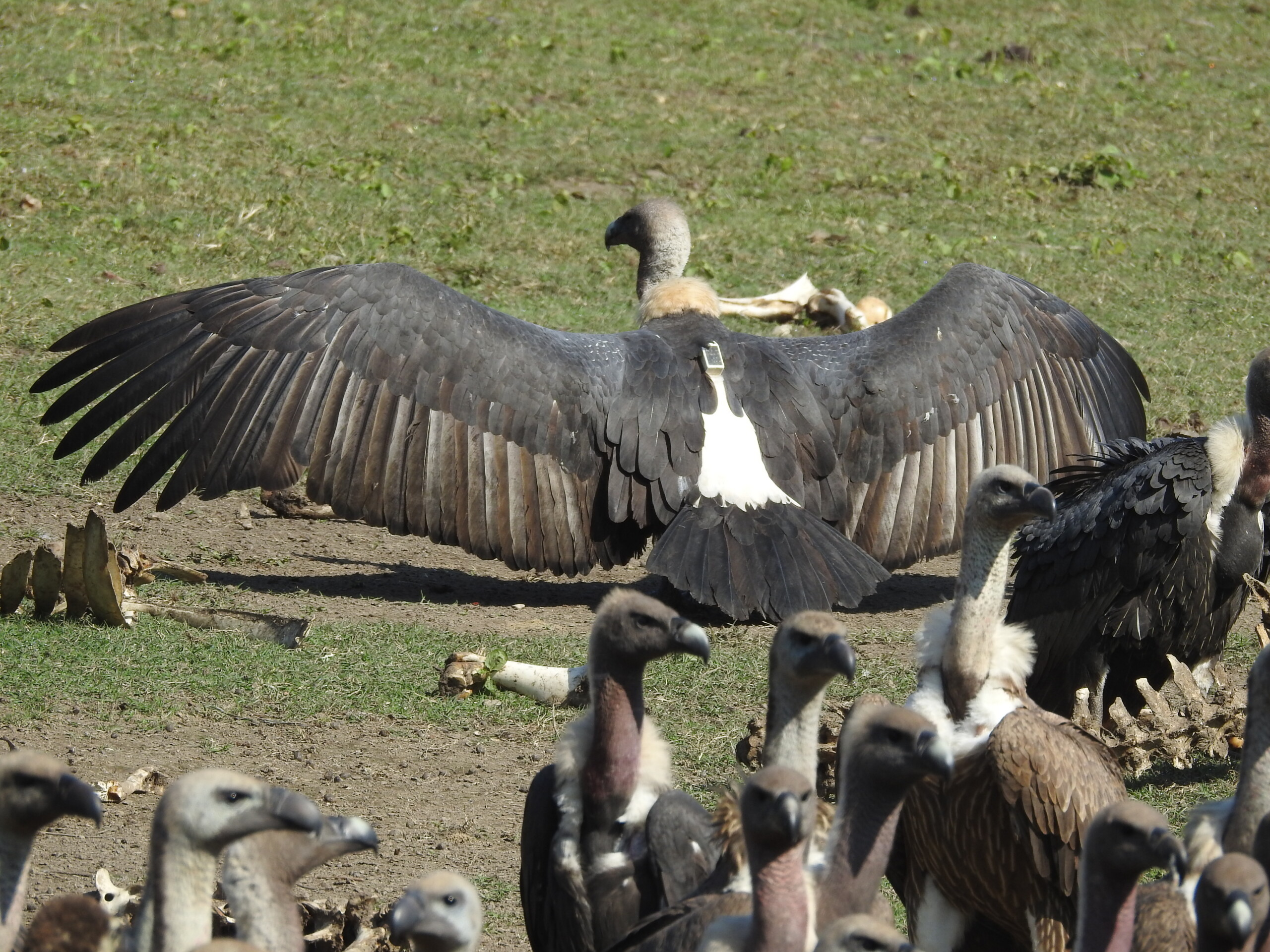 Figure 4. Models were parameterised using values for adult and subadult survival from GPS-tagged birds. © John Mallord
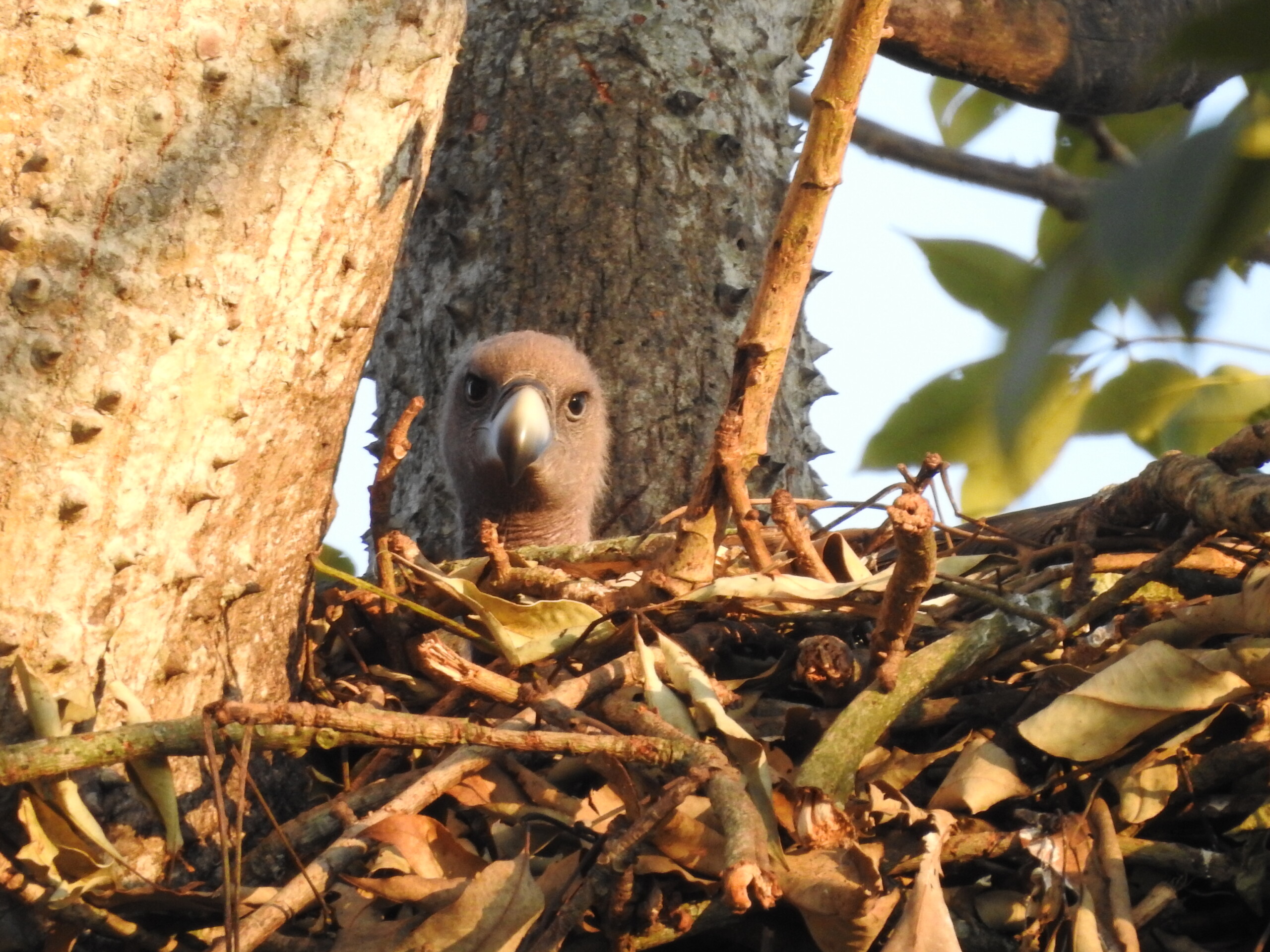 Figure 5. An adult White-rumped Vulture peeking over the side of their nest. © John Mallord
All three methods gave similar results: the WRV’s intrinsic rate of population increase ranged from 1.087 to 1.098 (8.7 – 9.8% annual increase). All three rates were slightly lower to that obtained from the road transect surveys (12.7%), although the confidence intervals for all methods overlapped, implying that there was no difference between the rates. This suggested that the population increase since 2012 could be explained by intrinsic demographic processes, rather than immigration. As is typical for large birds with low productivity, population trends were most sensitive to changes in annual adult survival.
We also tested whether increases in the numbers of vultures was related to proximity to the main vulture restaurant. If this was the case, numbers would increase at a greater rate the closer birds were to the restaurant. This wasn’t the case; population increases were recorded throughout the country, suggesting that the increase in the numbers of vultures observed during road transect surveys was not biased by increasing numbers of vultures feeding at the Vulture Restaurant.
Without the conservation actions of the last two decades, it is likely four species of vulture would have gone extinct. Our results are testimony to the work of Birdlife partner Bird Conservation Nepal with support from the Nepalese government to eliminate diclofenac from the veterinary market. But there is no time to be complacent: vulture populations across South Asia are still at historically low levels and prone to extinction. The need to further strengthen regulations around veterinary NSAID use is apparent; hence we welcome the Nepalese government’s decision to follow India’s lead and ban three more toxic drugs – aceclofenac, ketoprofen and nimesulide – that pose an existential threat to vultures. Hopefully, this will help prevent the roll-back of two decades of conservation success.
Image credit
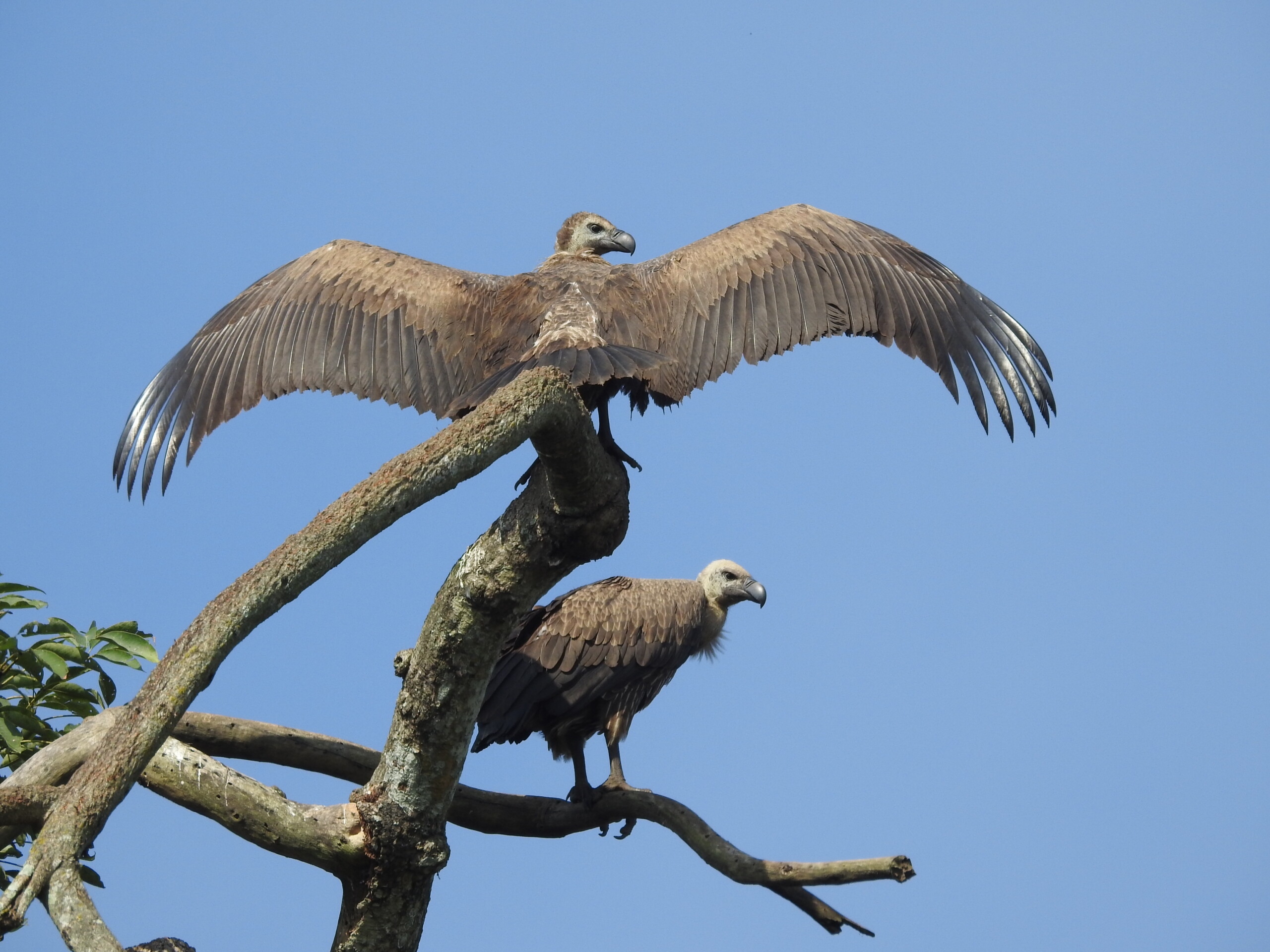
Top right and featured image: Juvenile and sub-adult White-rumped Vultures, Nepal © John Mallord.