


LINKED PAPER
Addressing conflict between fishermen and the Titicaca Grebe (Rollandia microptera) through diet analysis. Villar, D. A., Yanes, E., Gutiérrez, T., Gosler, A. G. 2024. IBIS. DOI: 10.1111/ibi.13337. VIEW
Human-wildlife conflict is a well-known issue which can take different forms and impact many different species all over the world. One common type of human-wildlife conflict occurs when animals predate on a species of economic interest or importance to humans. Understanding the extent of such conflict is a vital step when planning conservation actions to mitigate its negative effects.
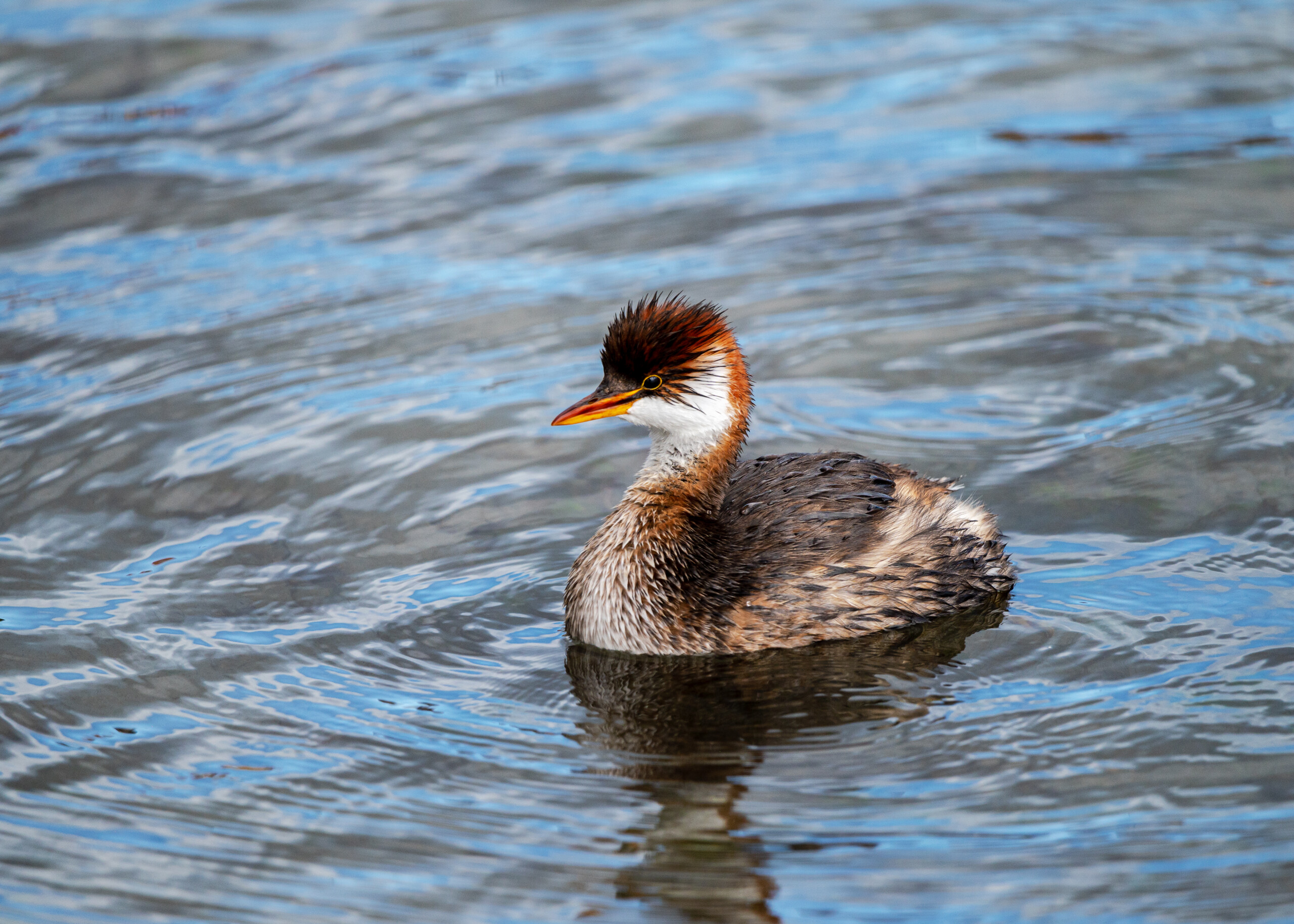
In a recent study in Ibis, D. A. Villar and colleagues investigated conflict between the Titicaca Grebe (Rollandia microptera) and human fishers who consider the Grebe as a competitor for declining fish stocks.
The Titicaca Grebe
The Titicaca Grebe is a flightless Evolutionary Distinct and Globally Endangered (EDGE) species (Jetz et al. 2014) which is endemic to Lake Titicaca and associated water bodies in Peru and Bolivia (Fjeldså 2004). It has suffered a dramatic decline in population over the last few decades, with a leading cause of this decline believed to be mortality due to fisheries bycatch (Martinez et al. 2006). Human fishers hold negative opinions about the Titicaca Grebe due to a belief that they are in competition for the fish in the lake (Quispe et al. 2023).
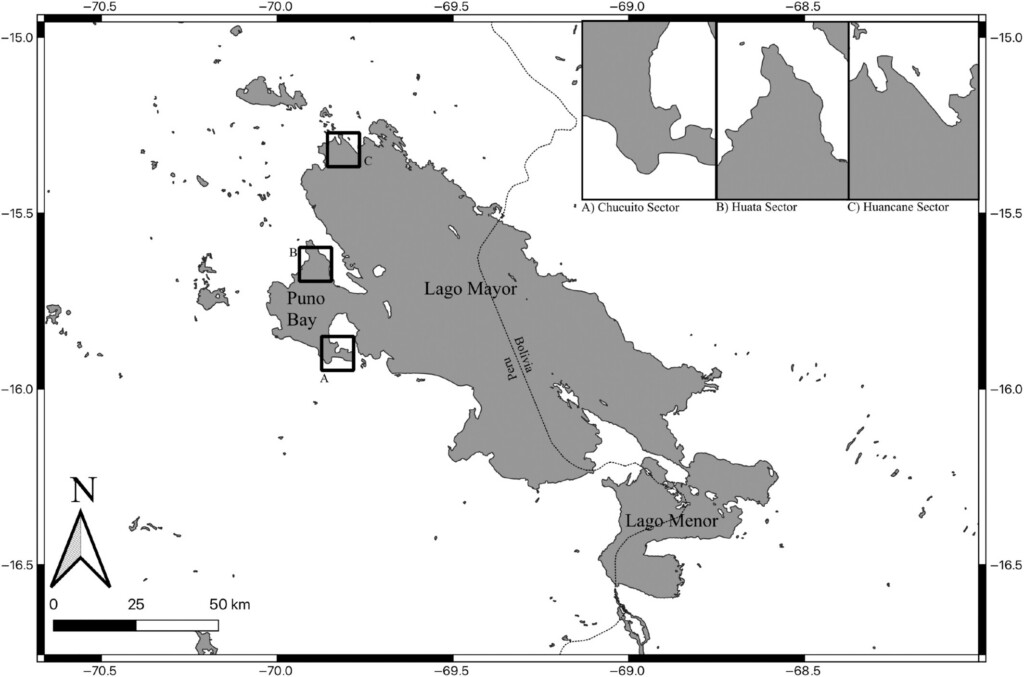
Figure 1. Map of Lake Titicaca, with the Huata, Chucuito and Huancané Sectors, where birds were collected, shown in insets.
To test whether this conflict was based on empirical evidence or not, the researchers determined the fishers’ target species using interviews, and analysed the stomach contents of 45 specimens of Titicaca Grebe caught as bycatch in the summer of 2008. The researchers also investigated whether there was any age-based variation in the overlap between the target species of the fishers and the Grebe.
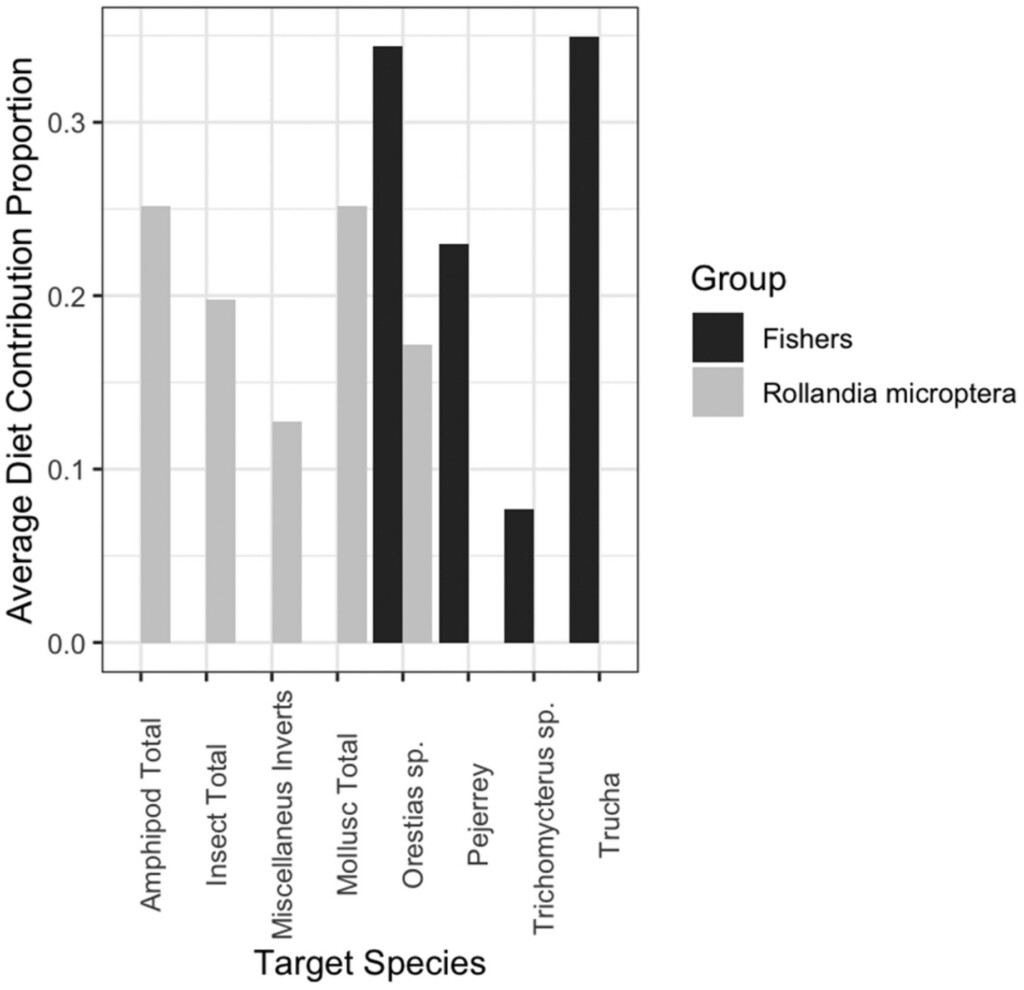
Figure 2. Comparison of average proportion contribution of each prey class to diet using numerical counts of prey items between fishers and Grebes.
Mixed evidence for competition
The results revealed mixed evidence for the perception that the Titicaca Grebe is in direct competition with fishers. Overall, the diet analysis indicated that while the Titicaca Grebe does compete for native species of the Orestias genus, it does not compete with fishers for the more lucrative fish species such as trout (Oncorhynchus sp.) and Pejerrey (Odontesthes bonariensis) which were introduced to Lake Titicaca in the 20th century. This appeared to be the case for both adult and juvenile birds, although there is some uncertainty when identifying small partially digested fish remains (Buckland et al. 2017).
The findings suggest that there may be some genuine competition between fishers and the Titicaca Grebe for Orestias species, but also that the Titicaca Grebe has not adapted its diet following the introduction of non-native salmonids. The introduction of fish, especially salmonids, has previously been associated with extinctions of other endemic grebes (O’Donnell & Fjeldså 1997). Conservation of the endemic fish fauna found in Lake Titicaca may therefore be crucial for the conservation of the Titicaca Grebe.
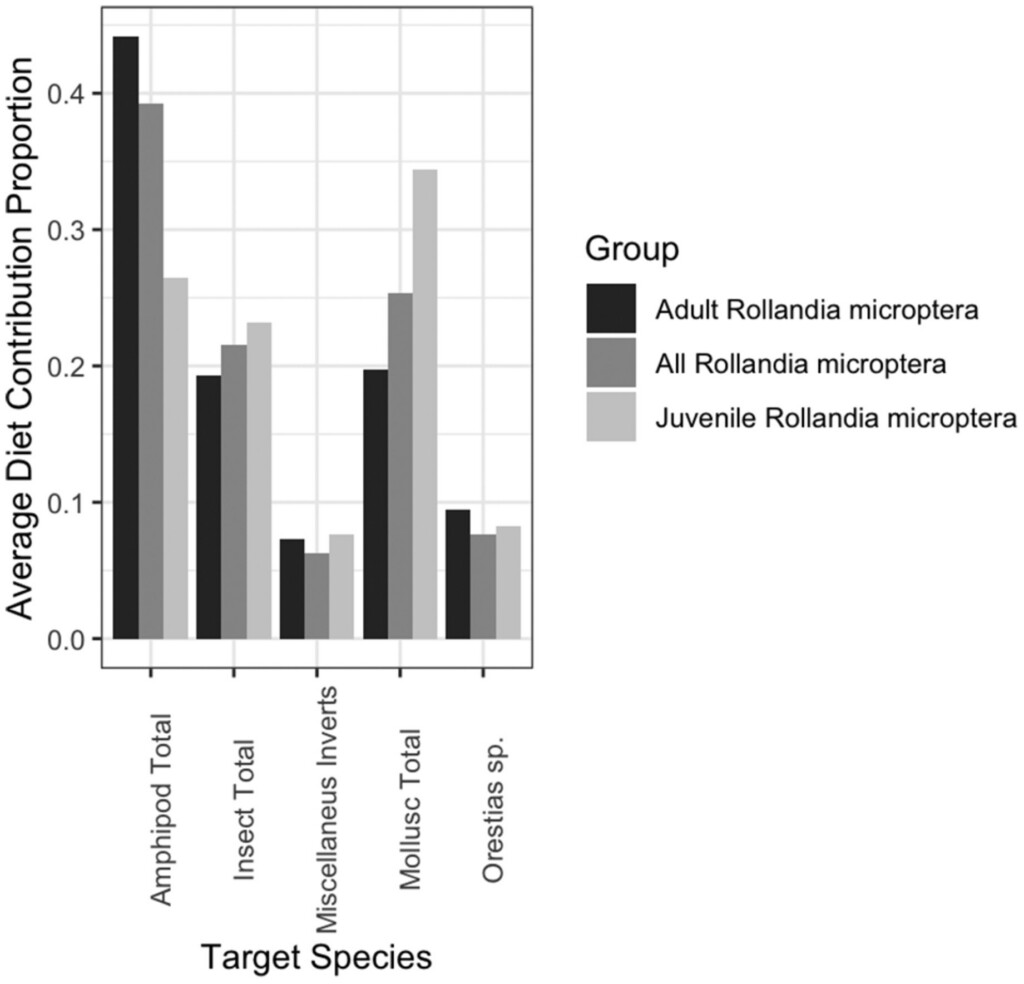
Figure 3. Comparison of average proportion contribution of prey items between Grebe age classes using presence–absence count results for prey items.
While it is difficult to resolve human-wildlife conflict, particularly when the conflict appears to be based on factual grounds, the researchers suggest that environmental education of fishers to raise awareness that the Titicaca Grebe does not compete for the more lucrative species could be required. The Titicaca Grebe could also be turned from an economic problem to a species providing economic value to the community (Woodroffe et al. 2005), for example through ecotourism (Gössling 1999).
References
Buckland, A., Baker, R., Loneragan, N. & Sheaves, M. (2017). Standardising fish stomach content analysis: The importance of prey condition. Fisheries Research 196: 126-140. VIEW
Fjeldså, J. (2004). The Grebes: Podicipedidae. Oxford, UK: Oxford University Press.
Gössling, S. (1999). Ecotourism: A means to safeguard biodiversity and ecosystem functions? Ecological Economics 29: 303–320. VIEW
Jetz, W., Thomas, G.H., Joy, J.B., Redding, D.W., Hartmann, K. & Mooers, A.O. (2014). Global distribution and conservation of evolutionary distinctness in birds. Current Biology 24: 919–930. VIEW
Martinez, A.E., Aranibar, D.F. & Gutierrez, E.R. (2006). An assessment of the abundance and distribution of the Titicaca Flightless Grebe Rollandia microptera on Lake Titicaca and evaluation of its conservation status. Bird Conservation International 16: 237–251. VIEW
O’Donnell, C. & Fjeldså, J. (1997). Grebes: A Global Action Plan for their Conservation. Gland: IUCN.
Quispe, J., Villar, D.A., Zapana, J., Thomsen, B. & Gosler, A.G. (2023). Perceptions of the Titicaca Grebe (Rollandia microptera) in a Peruvian Aymara Fishing Village. Ethnobiology Letters 14: 49–57. VIEW
Woodroffe, R., Thirgood, J. & Rabinowitz, A. (eds) (2005). People and Wildlife: Conflict or Coexistence? Cambridge, UK: Cambridge University Press. VIEW
Image credits
Top right: Titicaca Grebe (Rollandia Microptera) | CLAUDIOLD | CC BY-SA 4.0 Wikimedia Commons
Blog posts express the views of the individual author(s) and not those of the BOU.
If you want to write about your research in #theBOUblog, then please see here