


At the end of March 2024, more than 100 early career ornithologists gathered in the charming city of Prague to attend the 4th EOU Fledglings Meeting. Throughout the conference, one could almost tangibly feel the spirit and eagerness of the attendees to share their ideas, results and create new professional connections, which seamlessly evolved into friendships, and – most importantly – their passion for avian research.
For me, it marked my first international conference as a PhD student. The welcoming environment that my peers provided greatly helped in overcoming any initial nerves. Interacting with so many like-minded people yielded fruitful discussions and provided valuable support and inspiration to improve our research, which should be the main goal of each such event. Thanks to the BOU member conference attendance grant, I had the opportunity to present the preliminary results of my research on nightjar signalling patterns in a talk titled “The role of astronomical light pollution on acoustic and visual communication in nocturnal birds.”
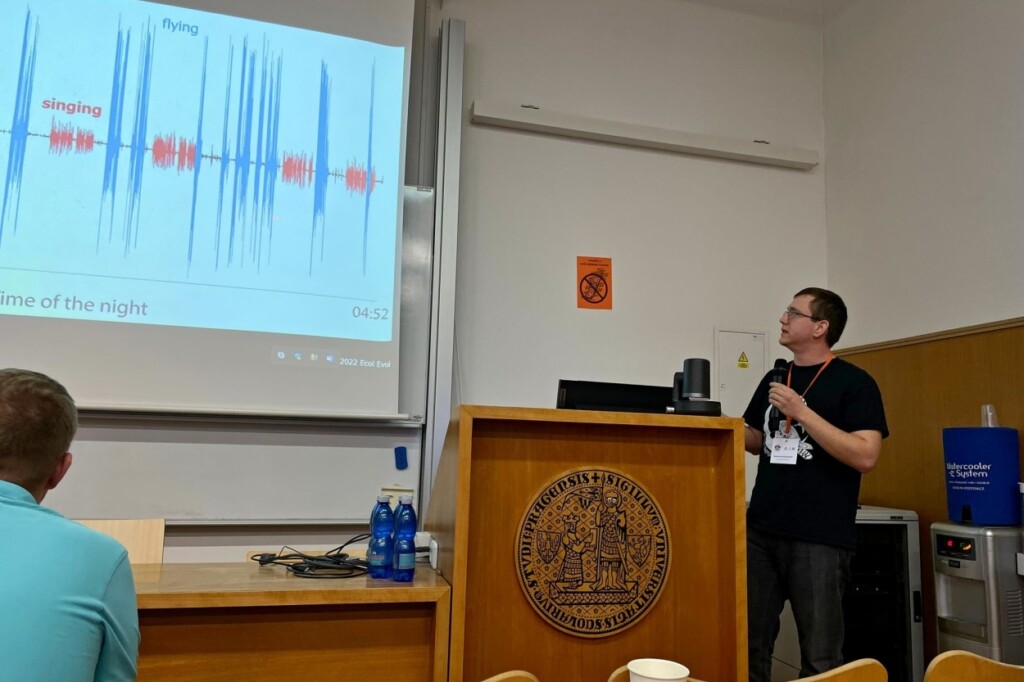
Figure 1 Richard during his talk © Jan Grünwald.
The thoughtfulness of the organisers and volunteers was evident in the programme’s meticulous planning. The informal part began the evening before the scheduled onset of the conference in a local restaurant, and two guided birdwatching walks in the greenery of Prague took place on Friday morning. Thus, we had the opportunity to get to know each other even before meeting at the official venue, held in a beautiful historical building of the Faculty of Science of Charles University. There, the morning programme featured a comprehensive workshop on systematic reviews and meta-analysis, given by Dr Alfredo Sánchez-Tójar.
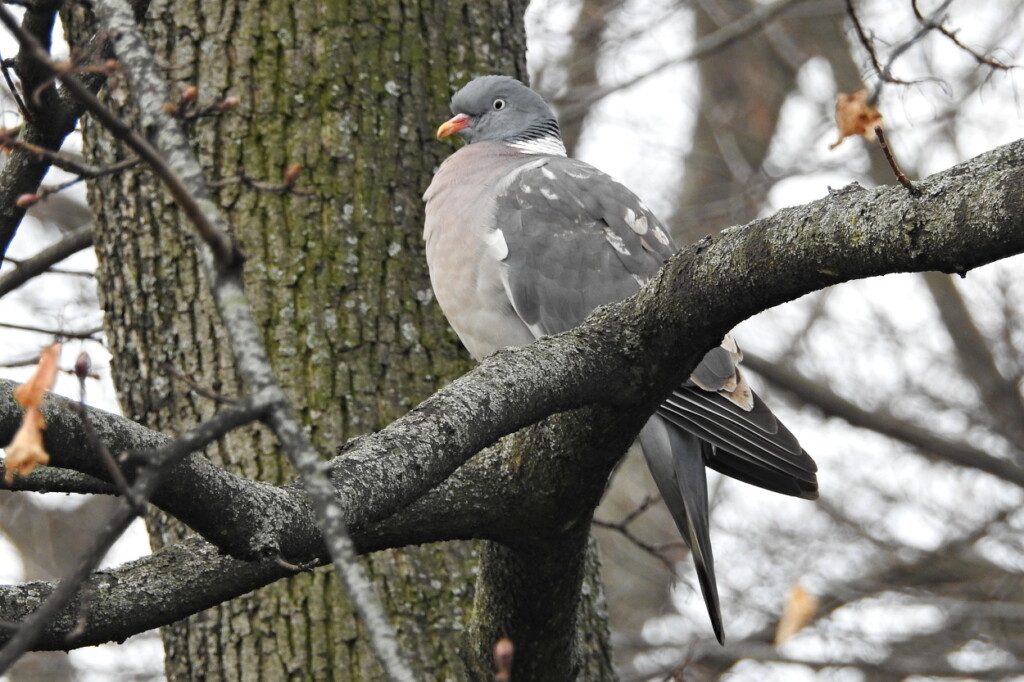
Figure 2 An aberrantly coloured Wood Pigeon (Columba palumbus) in Stromovka park seen during a guided birding tour © Richard Schnürmacher.
During eight sessions from Friday afternoon to mid-Sunday, nearly 40 talks were presented, covering a diverse array of research topics, from immunology and bioacoustics to evolutionary principles driving sexual dichromatism. The taxa represented were equally varied, ranging from typical model systems like the Blackbird (Turdus merula) and the Great Tit (Parus major) to more “unconventional” species such as the Little Auk (Alle alle).
Again, a great part of the planning was certainly put into these sections, which were proportionally divided by insightful plenaries and rich refreshments at coffee breaks. The first plenary talk by Prof. David Storch highlighted the different factors contributing to the global spatial diversity of birds. The Friday programme ended with a poster session featuring over 30 aesthetically and scientifically pleasing posters, followed by an enjoyable networking session with pizza and all kinds of famous Czech beverage.
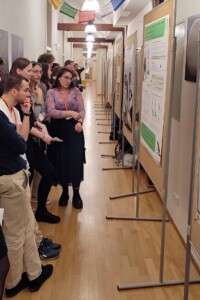
Figure 3 Poster session © Richard Schnürmacher.
Saturday proved to be the most intense day of the event, beginning with a morning plenary by Dr Alfredo Sánchez-Tójar on avoiding the trap of publication bias in ecology and evolution. Afterwards, four presentation sessions followed, interspersed with a delicious lunch. After the full day of sharing our research, we had the privilege to listen to a very detailed plenary talk by Dr Kateřina Sam, exploring surprising interactions between plants, insects and birds – the plants are apparently a lot more cooperative with other taxa (even with vertebrates!) than they might seem. As Dr Sam and her colleagues investigate, they produce specific chemical compounds that inform predators about the presence of herbivore insects that dare chew on the leaves of plants.
The third plenary was followed by (at least in my opinion) one of the most enriching parts of the programme: The Q&A session with the invited PIs (Dr Kateřina Sam, Dr Ivan Maggini, Dr Tereza Petrusková, Prof. Frédéric Jiguet and Dr Alfredo Sánchez-Tójar) that addressed our questions and shared their experience regarding the student-supervisor relationship, work-life balance, or qualities that they seek in an applicant for a (post)doctoral position.
Sunday, the last day of the Meeting, commenced with a captivating scientific journey of Prof. Frédéric Jiguet, an inspiring story of success in translating the scientific results into conservation policies that help protect endangered bird species, especially migrants. The final two sessions included mainly topics on the human impact on birds and their environment. Undoubtedly, habitat change and ongoing urbanisation influence many aspects of a bird’s life, including breeding and migratory behaviour, general distribution and interactions with other species. Thus, it was great to see that these topics are in the spotlight of many aspiring researchers.
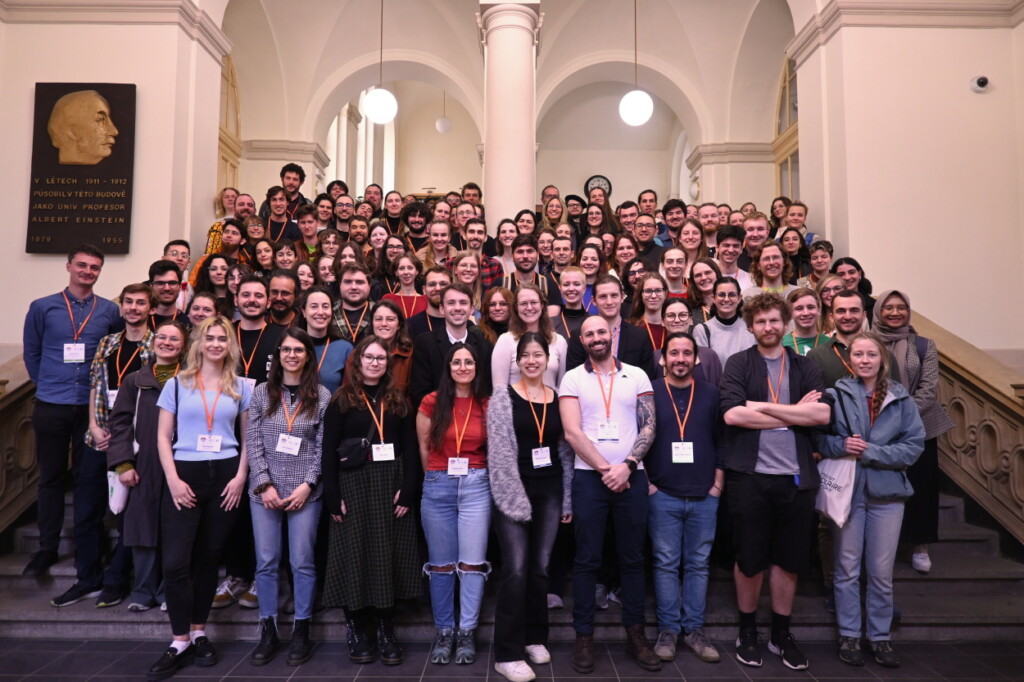
Figure 4 The attendees of the EOU Fledglings Meeting 2024 at the venue of the conference – Biology section building, Faculty of Science, Charles University © Jakub Hrouda.
At midday, there was nothing left than to close this fantastic conference with a big thank-you to the organising team, the partners of the conference – including BOU – and to announce the next EOU Fledglings Meeting venue in Gdansk 2026. I find it vital for the healthy atmosphere in the research environment to organise events such as this one, and I am eager to meet at least a similar number of motivated participants there!