

I had the pleasure of attending the British Ornithologists’ Union (BOU) conference (BOU2026), held from 31 March to 2 April 2026 at the University of Nottingham, themed “Birds and people: challenges and opportunities of coexistence.” During the conference, I presented my research on using bioacoustics to assess the impacts of invasive evergreen shrubs on bird communities. It was an enriching experience, filled with insightful discussions, new research ideas and valuable networking opportunities.
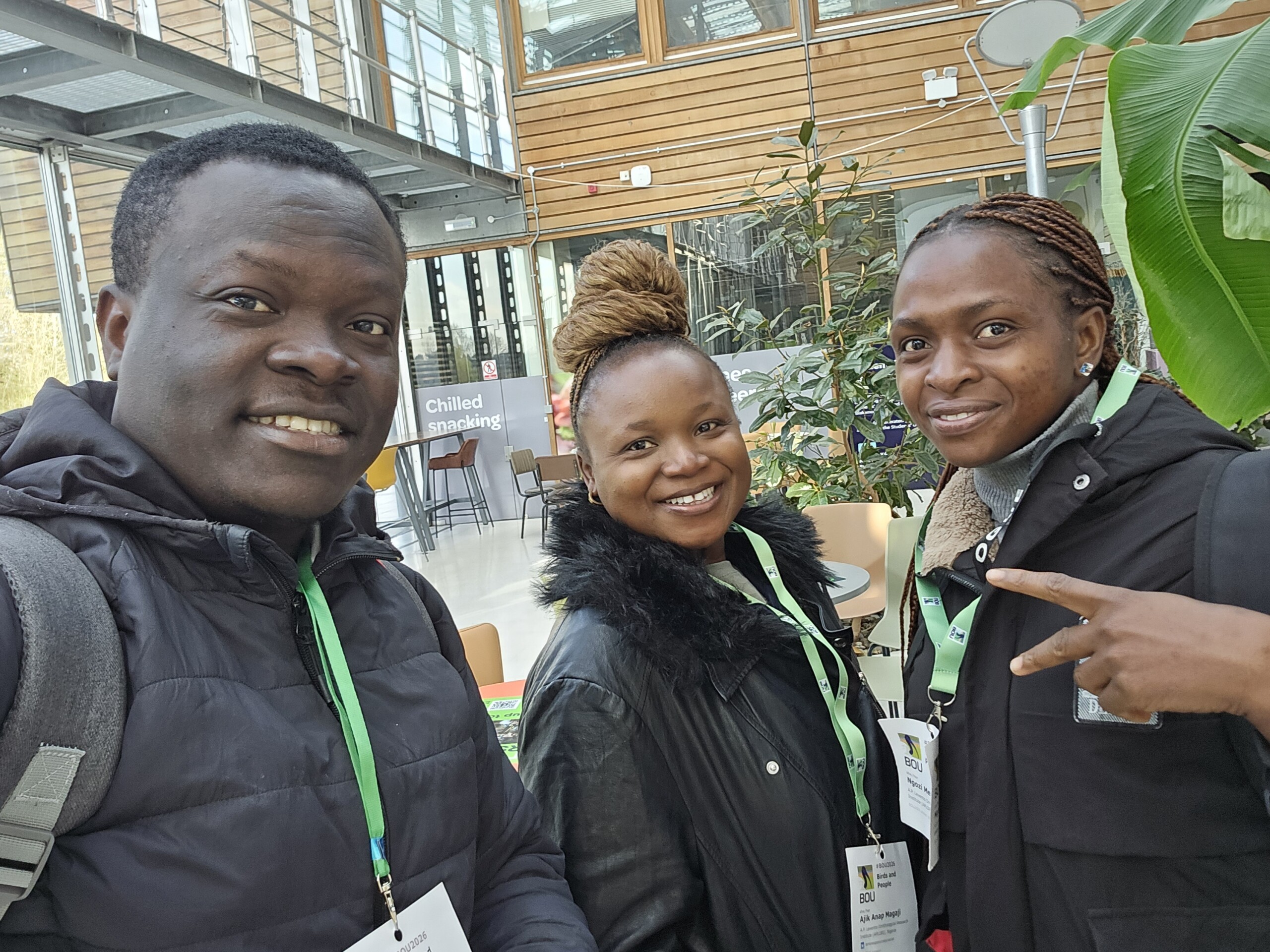 Figure 1. APLORI Alumni (Author, Anap Ishaku and Ngozi Okafor).
Pre-conference workshops
On the first day, I attended two pre-conference workshops. The first focused on poster presentations, where my key takeaway was that “less is more on posters”, and that excellent posters should clearly answer three essential questions: What is the main focus? What is the key finding? And why does it matter?
The second workshop explored social sciences in ornithology, featuring a compelling case study on the hornbill nest adoption programme at Pakke Tiger Reserve in India. One particularly impactful activity involved mapping stakeholders based on their level of power and interest (from low to high). This exercise prompted me to reflect on how I could adapt this approach in my teaching and encouraging students to think critically about stakeholders in conservation and what impacts other people might have on their academic and professional journey.
Keynotes and lectures
The first standout moment for me was the Alfred Newton Lecture delivered by Professor Claire Spottiswoode from the FitzPatrick Institute of African Ornithology, University of Cape Town. Her talk on the natural history of a human–bird mutualism was phenomenal. Although I was already familiar with Claire’s work on human–honeyguide interactions from my time at the FitzPatrick Institute, this presentation still felt fresh and deeply engaging.
Another highlight was the keynote by Professor Andrew Gosler from the University of Oxford on ethno-ornithology: science and society in dialogue. It was exciting to meet Andrew in person, having previously corresponded with him by email several years ago. His talk has inspired me to explore research on shifting baseline syndrome, as well as to develop a research study examining students’ natural history knowledge in my university, building on his published work (Gosler & Tilling, 2022).
The keynote by Professor Zoe Davies from the University of Kent on getting a wellbeing boost from birds was equally thought-provoking. It prompted me to sign up for the Birds in Greenspaces survey (running from 1 April to 30 June 2026) and sparked my interest in exploring the concept of “extinction of experience” in future research.
I also attended an excellent workshop on Wildlife Acoustic by Dr Carlos Abrahams. As someone deeply interested in bioacoustics, this session was particularly valuable, and our post-workshop discussion opened up exciting possibilities for future collaboration.
Meaningful connections
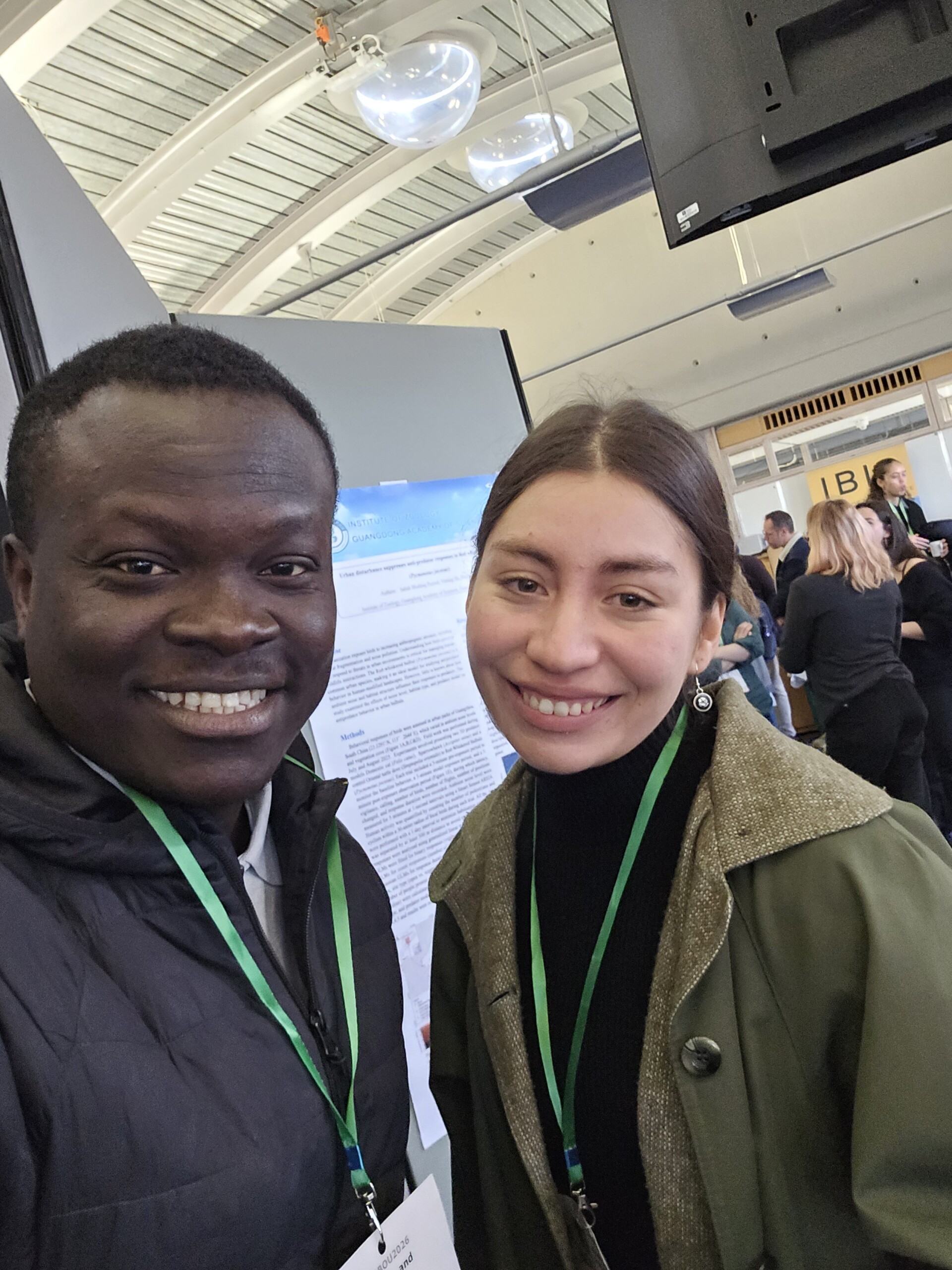 Figure 2. Author and Anna Ramos Chernenko (University of Granada).
The conference also provided wonderful opportunities to connect with colleagues. I was delighted to finally meet Anna Ramos Chernenko (University of Granada), with whom I had been communicating via email for over a year on a project exploring bird diversity in urban areas. Meeting in person made our discussions even more productive.
A particularly special moment was reconnecting with Professor Will Cresswell, who introduced me to data analysis using R during my master’s studies at the AP Leventis Ornithological Research Institute (APLORI). I shared how that experience shaped my academic journey and inspired me to teach data analysis to my own students. It was incredibly rewarding to reflect on that impact together.
 Figure 3. Professor Will Cresswell and APLORI Alumni.
It was also a pleasure to reconnect with fellow APLORI alumni and colleagues from the FitzPatrick Institute, where I completed my PhD. These interactions were both inspiring and motivating.
Poster sessions and future collaborations
The poster sessions were a highlight, providing valuable opportunities to discuss my research in depth. These conversations led to at least five new research ideas and opened doors for collaborations. I am particularly excited about upcoming collaborative projects with researchers from India, Nigeria and Belgium to explore the impacts of invasive plant species on bird communities across different regions.
Audio recordings from my study
All audio recordings from my study are publicly available via the EIDC repository (Dehnen-Schmutz & Adekola, 2024): Audio-recordings of birds from plots invaded by non-native plants (Rhododendron ponticum and Prunus laurocerasus) and non-invaded plots in four woodlands, Wales, 2023 – EIDC VIEW
The full paper can be found here: Using bioacoustics to assess the impact of evergreen invasive plants on bird communities in Wales, United Kingdom VIEW
Acknowledgements
I would like to thank the Centre for Agroecology, Water and Resilience at Coventry University, where I conducted this research during my postdoctoral fellowship, especially my supervisor, Professor Katharina Dehnen-Schmutz. I am also grateful to University Centre Sparsholt for supporting my participation in this conference.
And finally – Oh my…I loved the food and accommodation provided during the conference!
References
Dehnen-Schmutz, K. & Adekola, O.E. 2024. Audio-recordings of birds from plots invaded by non-native plants Rhododendron ponticum and Prunus laurocerasus and non-invaded plots in four woodlands, Wales, 2023. NERC EDS Environmental Information Data Centre .VIEW
Gosler, A.G. & Tilling, S.M. 2022. AKnowledge of Nature and the Nature of Knowledge: Student natural history knowledge and the significance of birds. People and Nature 4:127–142.VIEW
Image credit
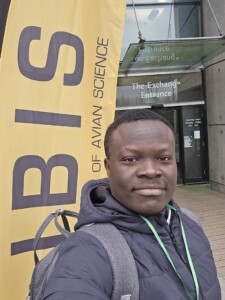
Top right & featured image: Oluwadunsin Adekola (author) at BOU 2026 conference © Oluwadunsin Adekola.