




I imagine many readers may not have heard of Silwood Park, let alone its Conservation Club. Hidden in the Berkshire countryside, around an hour from Imperial College London’s main hub, lies our postgraduate campus. While small in one sense – housing just 80 master’s students specialising in conservation, ecology and evolution – we’re fortunate to be surrounded by almost 100 hectares of woodland and grassland, and share our space with a vast array of creatures – beetles, butterflies, Muntjac, Red Kites, Teal; the list goes on – not to mention, our resident Egyptian Geese.
When I began my master’s degree here this past Autumn, one of the first things we did was to form a Conservation Club. As well as learning to identify invasive plants, putting up bird feeders, and planning outreach events, this has involved going out on regular bird walks – both around campus, and further afield in our beat-up minibus (which has led to several late starts due to a failing battery)! Outings to Windsor Great Park, Beddington Farmlands, Chobham Common, RSPB Arne and an overnight stay at Dungeness Bird Observatory have seen us enjoy a variety of birds and bag new species like Little Grebe, Sandwich Tern and Dartford Warbler!
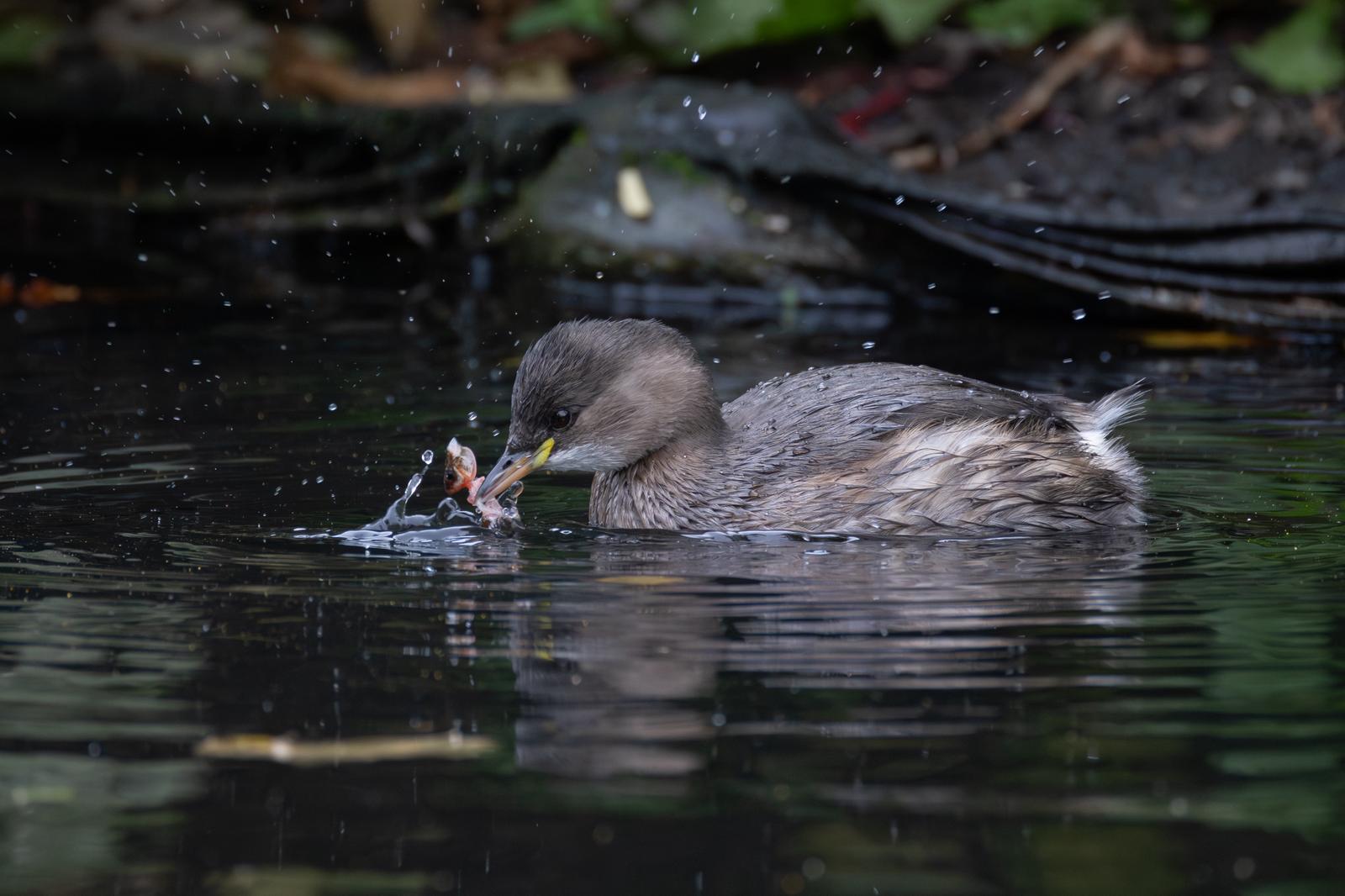 Figure 1. Little Grebe on Virginia Water, Windsor Great Park © Jared de Silva.
Our members’ experience levels vary widely. Some picked up binoculars for the first time during these events, while others with up to five years of experience enjoy mentoring the newcomers.
Although I’ve technically been birding for three years now, I still consider myself a beginner. Something that makes birding with this group so enjoyable is that everyone is welcome, regardless of experience level, and I like that we don’t take ourselves too seriously. Sure, some of us still go out with target birds and we’re excited to get ‘lifers’. However, when I asked our members what birding means to them, I also received responses like “going out and having a great time”, “just going out into a nature-y place and seeing what you can see”, or “seeing a new bird, which at the moment, is most birds!”. An, who confessed that he has only been birding for around “two seconds”, told me he likes that “People are just willing to go out anywhere in the UK, with very little prior planning…and keep an eye out for birds.” This was a sentiment echoed by many of our members.
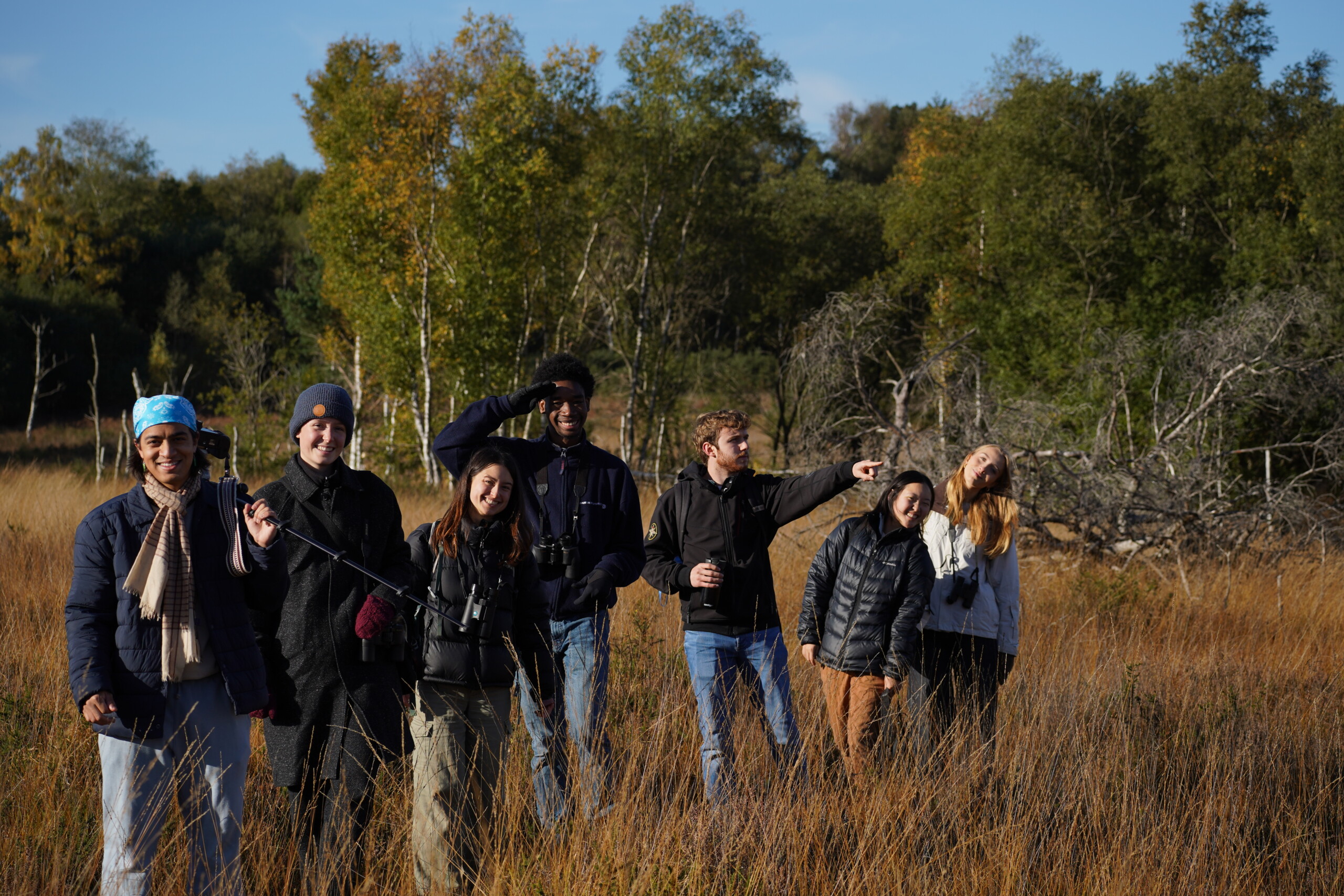 Figure 2. Outing at Chobham Common SSSI, Surrey © Clarence Toh.
Of course, our access to a minibus and ability to afford the time and expense of these outings is a privilege we must recognise. Secondly, the opportunity to go out as a group, where safety is much less of a concern, is something else we shouldn’t take for granted. However, I do believe that birding, in some shape or form, is accessible to everyone. Ekadh, one of our group leaders, has been birding for the past five years, a passion that began at his home in Chennai, India. He told me that he initially took up birding because of an injury which left him housebound for a time: “I’d started it [birdwatching] just looking out the window because I’d dislocated my knee, so I couldn’t move around much for three months. Until then, I’d been more interested in looking for tigers, but after that, I got interested in looking at the smaller things. It opened up a new world for me.” His former love of big charismatic mammals has now been sidelined slightly by his newfound passion for birds, which of course, his master’s topic also focuses on!
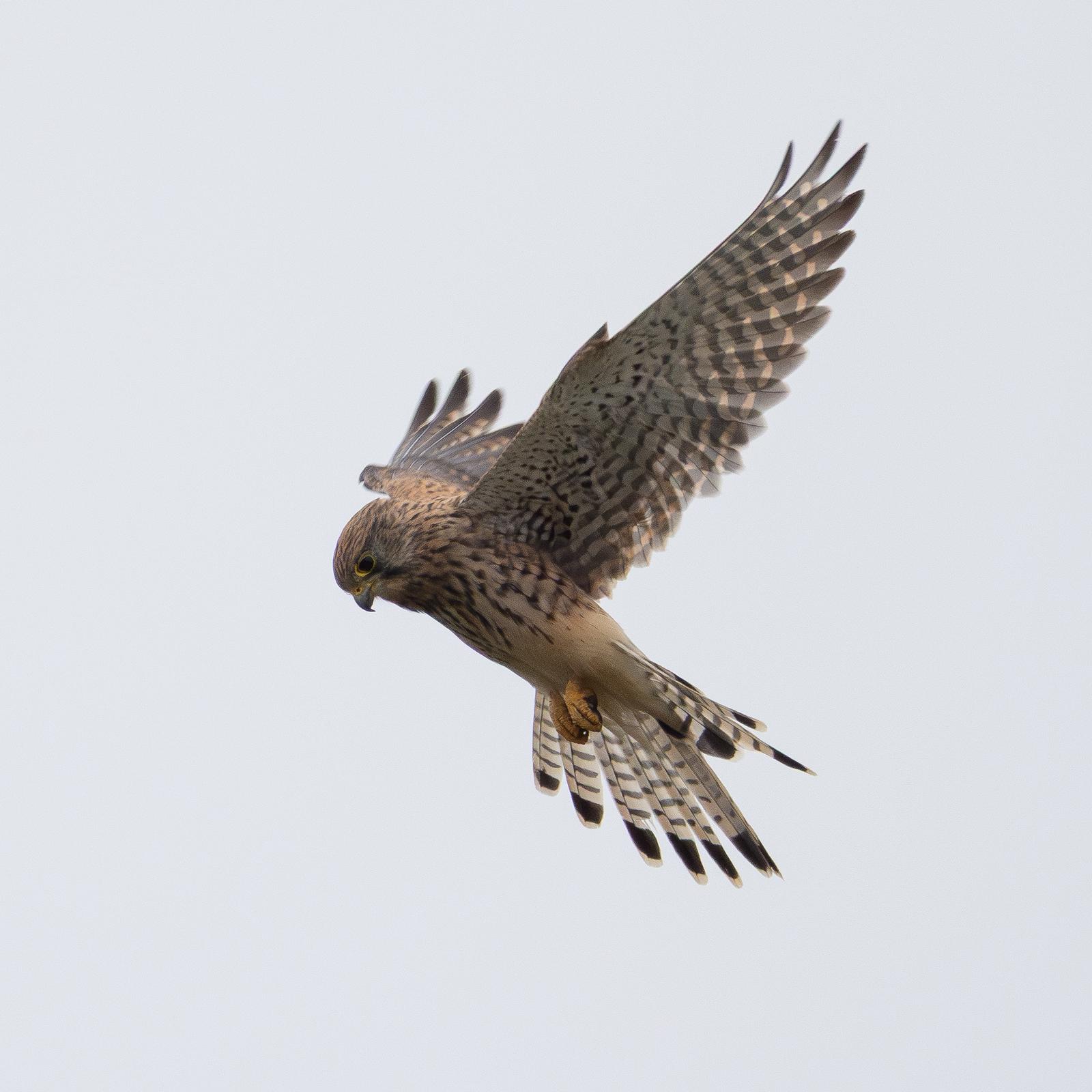 Figure 3. Kestrel hovering over Chobham Common © Jared de Silva.
Nevertheless, we must acknowledge the persistent lack of diversity within the birding community, even while recognising the progress which has been made in recent years – particularly through community outreach. Some members emphasised the importance of outreach which doesn’t alienate potential recruits, pointing out that this would broaden participation in birdwatching, and thus appreciation of birds. “We need to be able to offer activities which are not solely birding focussed… …and we need access to more equipment – for example, cameras, scopes, etc. for those who don’t have any.” I know that some students who joined our walks have also enjoyed aeroplane tracking and playing Pokémon Go (which perhaps we shouldn’t admit to, as ‘serious’ postgraduate students…) as well as the birds! Why not? Shouldn’t birding be for everyone?
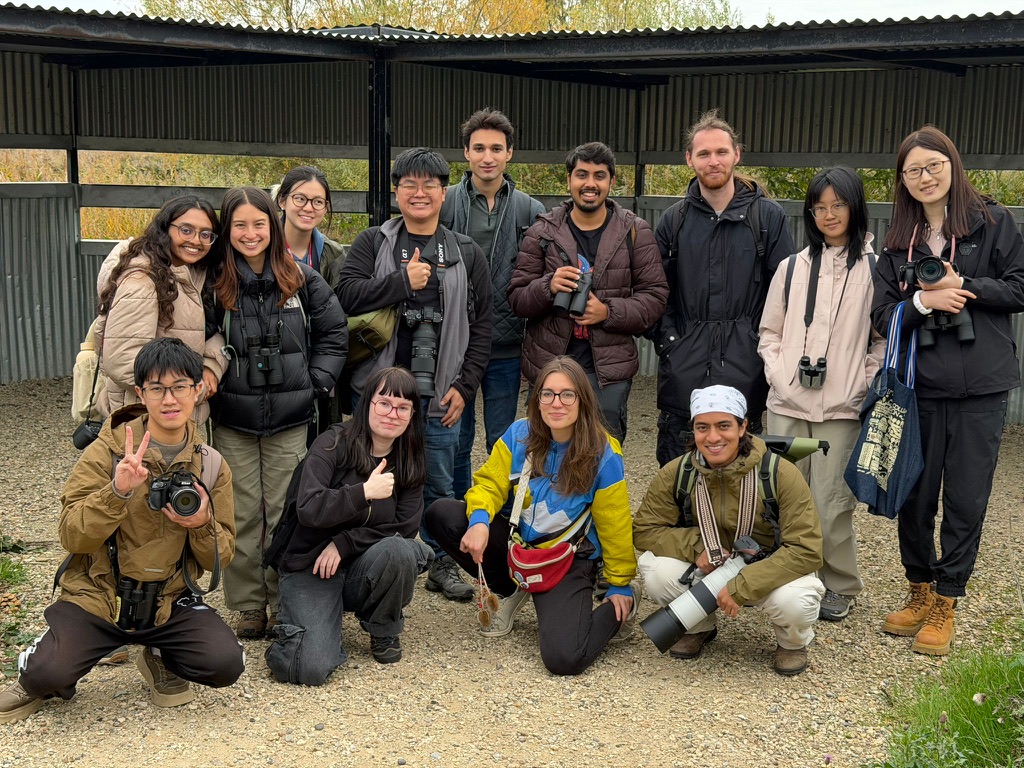 Figure 4. Group photo after a morning of birding at Beddington Farmlands, Greater London © An Dao.
Others suggested that lack of access to nature is often a barrier. Mikael observed, “I think it’s about showing people the diversity that’s around them and getting people into nature more… In general, unless you know someone who is already into it, you don’t really notice the birds that are around you, especially if you live in a city.” If people don’t notice the birds, how can they be expected to appreciate them?
Just last year, a study exposed that across the past two centuries, human connection to nature has declined by a staggering 60%! We’re fortunate to have a “living laboratory” at Silwood, where we’ve been involved in fieldwork on campus. But this certainly isn’t the case for many other disciplines and for jobs outside of the environmental sector, which generally require little to no time outside in nature. This is dangerous, given the concept of “extinction of experience”: first presented in the mid-1970s by Robert Pyle, he noted that as cities lose biodiversity, “their citizens grow more removed from personal contact with nature, [and as such,] awareness and appreciation retreat.” After all, if we don’t nurture our own relationships with the natural world, how will we know what we’re fighting for? As Pyle put it, “What is the extinction of the condor to a child who has never known a wren?”
That is why it’s vital that we do more than just ‘encourage’ time outdoors in nature; we must actively dismantle the barriers that prevent large sections of society from accessing it (see here for more on these barriers). In the words of Dara McAnulty in ‘Diary of a Young Naturalist’, observing the natural world isn’t just for ‘leisure’: “this is good work. Heart work. Taking the time to immerse oneself in its patternings, structures, happenings and rhythms”.
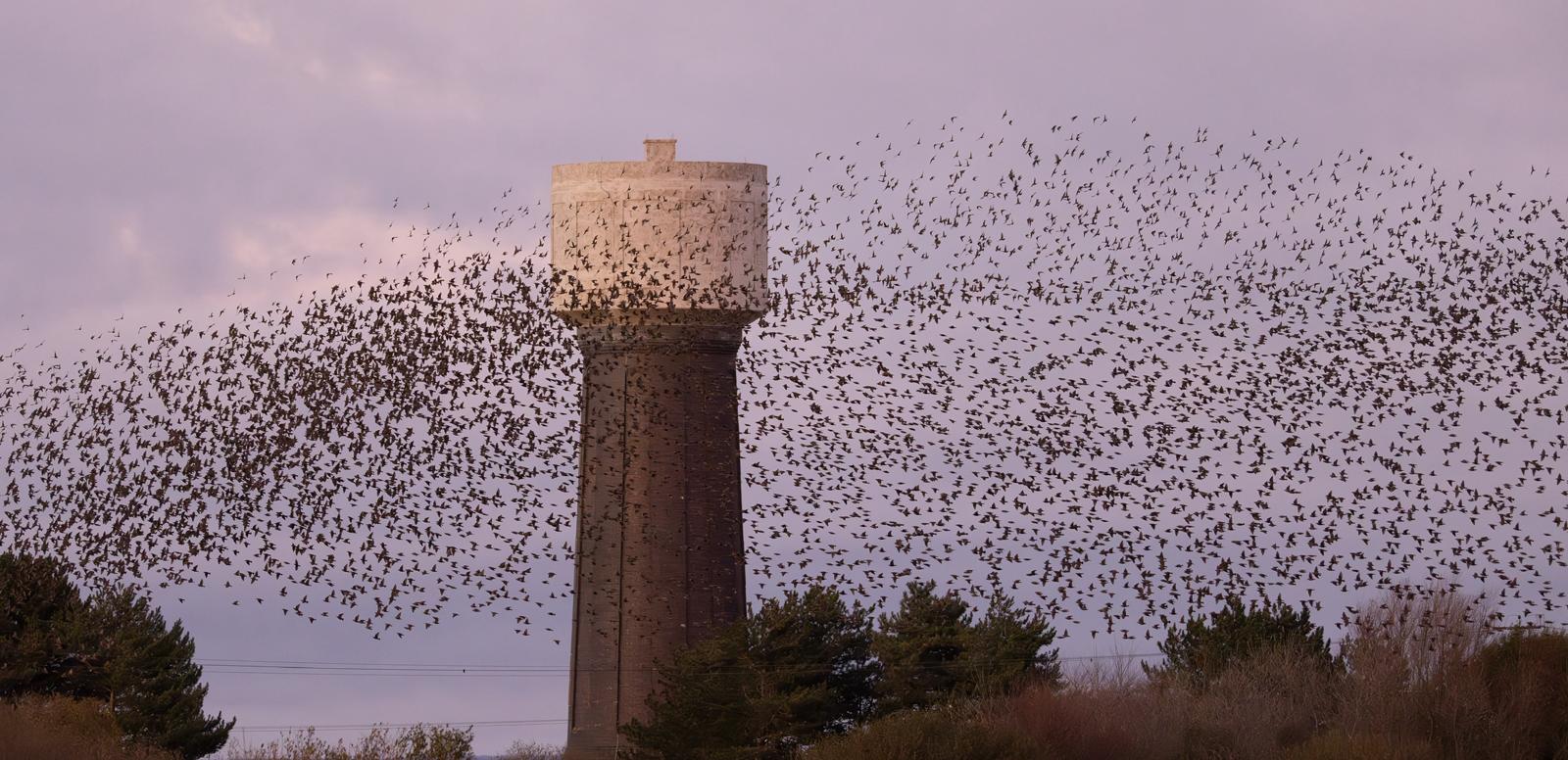 Figure 5. Starling murmurations at RSPB Dungeness © Jared de Silva.
As one of the easiest nature-related activities to get into, I believe birdwatching is a brilliant way to begin. Jared, our Conservation Club leader, shared, “Even though everyone’s main focus may not be birds, I think it’s really nice that we can come together to appreciate the group of animals that we can see.” It may involve patience, but it’s worth it: Some club members admitted that witnessing the starling murmurations at RSPB Dungeness was one of the most remarkable things they’d ever seen.
Having done lots of community outreach work, Jared went on to reflect that seeing the next generation engage with wildlife gives him hope for our planet’s future: “For example, after a bug-catching session, you hear the kids say things like, ‘oh, I loved the birds more than I loved catching the insects’, or ‘those bees were so cool!’ I think seeing those personal relationships with the natural world, that’s what really pulls me into it. It makes me think that if we brought this kind of thing to a larger scale, that everybody could find something they love.”
I hope the message we leave you with today is one of optimism. Birdwatching is for everyone, regardless of your background or circumstance. If you’ve never been birdwatching before, I challenge you to try it – maybe it will mean more to you than you think! In Simon Barnes’ book ‘How to Be a Bad Birdwatcher’, he remarks that “Liking birds is not just a nice thing to do. To look at a bird and feel good about it is a violent revolutionary act…for it is quite obvious that conservation is far, far too low on the political agenda”. That same rejection of despair surfaced when Anaga, one of our beginners, said something on our Dungeness trip which resonated with me: “Even though it’s cold, and a bit gloomy, we’re still out here, and I think that’s a big thing.” She’s right, in more ways than one – our current political climate is gloomy, so the fact that any of us are still out here, fighting for nature in one way or another, perhaps counts for more than we give ourselves credit for. And with every new person who looks at a bird and enjoys it, I reckon we’re one step closer to brightening that future.
If you are interested in contributing to the #BOUdiversityBlog, please get in touch with us via this form which ensures anonymity for those who seek it.
Featured image credit: CCO PD pixabay.com