



LINKED PAPER Servibirds: Quantitative Assessment of the Ecosystem Services Provided by Native Birds in Spain. Sebastián-González, E., Carrión, S., Pérez-Granados, C., López-Iborra, G. M., Botella, F., Pérez-García, J. M., García-Rodríguez, J., Sánchez-Zapata, J. A., & Orihuela-Torres, A. (2025) Ardeola.VIEW
Birds are often admired for their beauty, songs, and diversity. However, their importance goes far beyond aesthetics. A new study has, for the first time, systematically quantified the ecosystem services provided by native bird species in Spain. The research highlights how birds contribute not only to healthy ecosystems but also to human well-being, culture, and the economy.
The study has been published in Ardeola: International Journal of Ornithology and introduces ServiBirds, a pioneering database designed to assess the multiple benefits that birds provide to society and the environment across Spain. The database covers 378 native bird species, belonging to 73 families, and examines their ecological, cultural, and economic contributions.
Measuring what birds give us
Ecosystem services are the benefits that nature provides to people. In this study, researchers evaluated 12 different ecosystem services, grouped into provisioning, regulating, and cultural services. These include pest control, seed dispersal, scavenging and organic matter recycling, as well as aesthetic, artistic, hunting, and ecotourism values.
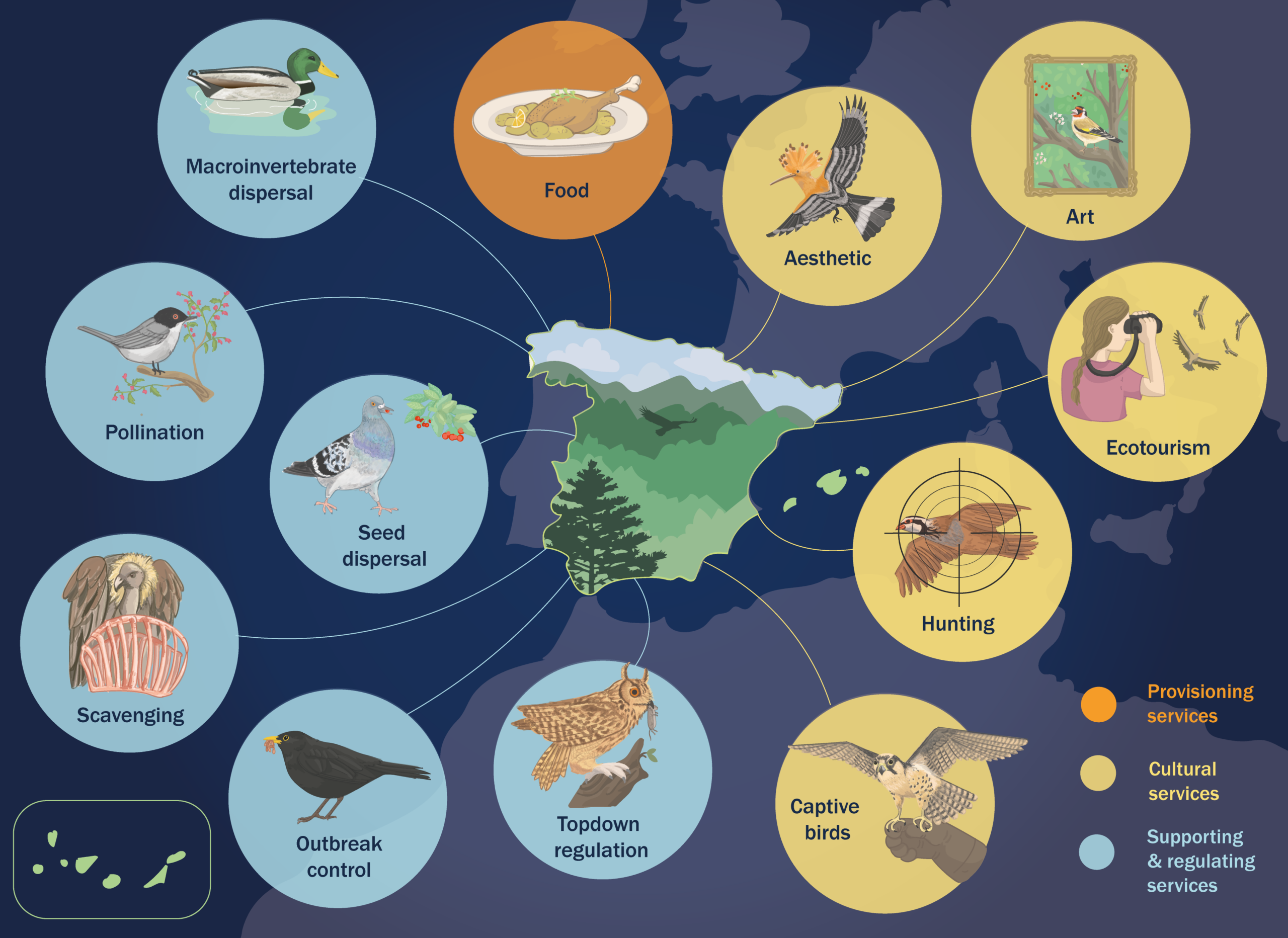 Figure 1. Ecosystem services evaluated and quantified in this study, including provisioning, supporting/regulating and cultural services. The drawings identify some of the most representative species providing each service. Figure created by Carmen Cañizares (Canita Ilustradora).
Birds play a key role in regulating ecological processes. By controlling insect populations, dispersing seeds, or removing animal carcasses, they help maintain ecosystem balance and functionality (Green & Elmberg 2014; Michel et al. 2020). At the same time, birds inspire cultural traditions, artistic expression, and recreational activities that are deeply embedded in human societies (Whelan et al. 2015).
As highlighted in the study, birds are essential for human well-being because they regulate key ecological processes while also enriching culture, art and tourism.
Many species, many services
One of the main findings is that all bird species analysed provide at least one ecosystem service. In addition, more than 60% of species contribute to four or more services, emphasising the multifunctional role of birds across natural and human-modified landscapes.
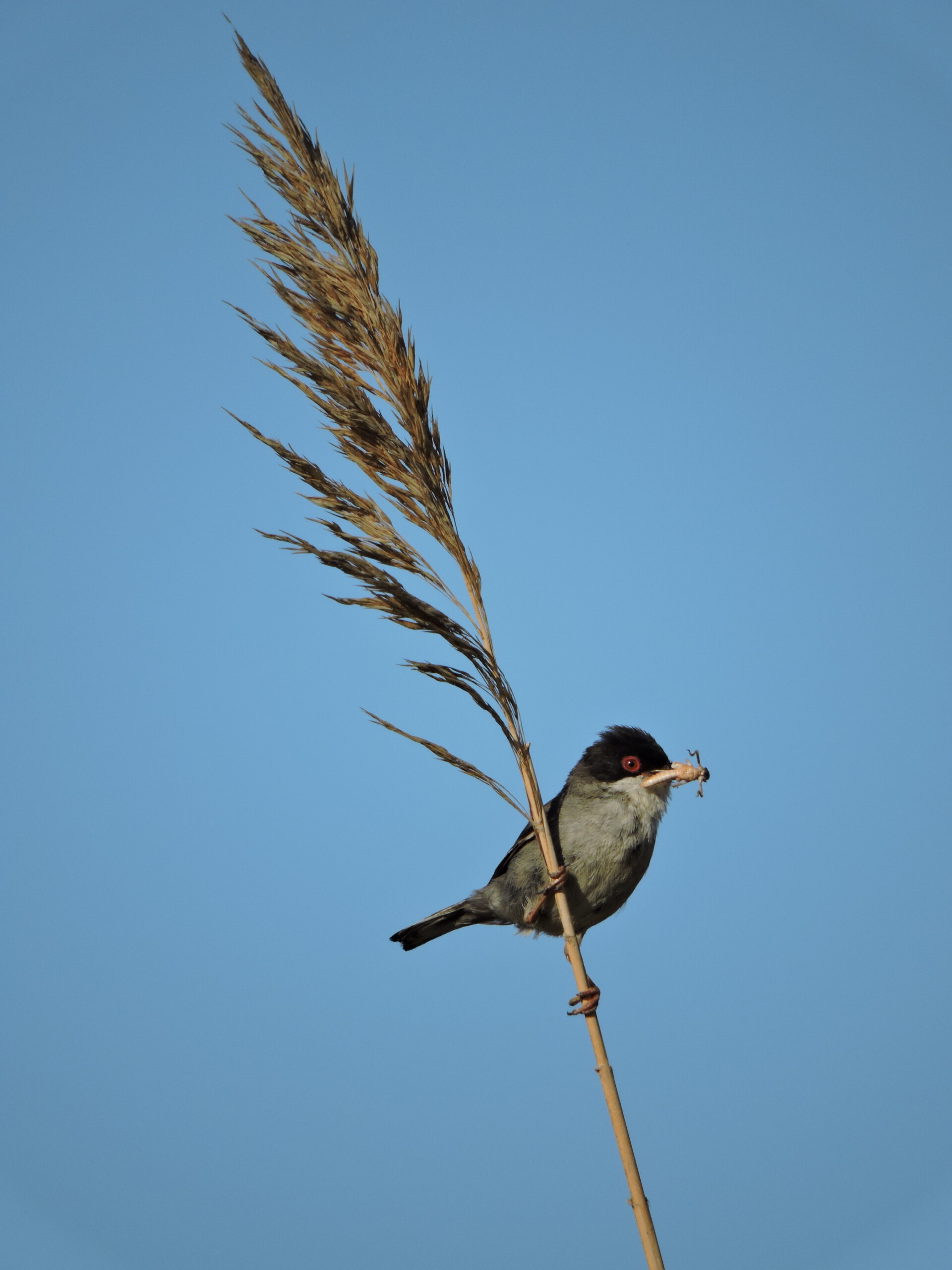 Figure 2. Sardinian Warbler (Curruca melanocephala) consuming insects, with potential effects on the population of their prey © Adrian Orihuela Torres.
Some species stand out for their particularly broad contributions. The Eurasian Magpie (Pica pica) and the Common Blackbird (Turdus merula), for example, provide several regulating services such as pest control and seed dispersal. These widespread species, often overlooked, play an important role in maintaining ecosystem processes in both rural and urban environments.
Scavenging species also emerged as especially important. The Eurasian Griffon (Gyps fulvus) was identified as a key contributor to carcass removal, a service that helps prevent disease transmission and accelerates nutrient recycling. This function has clear ecological benefits and can also reduce management costs associated with livestock carcass disposal.
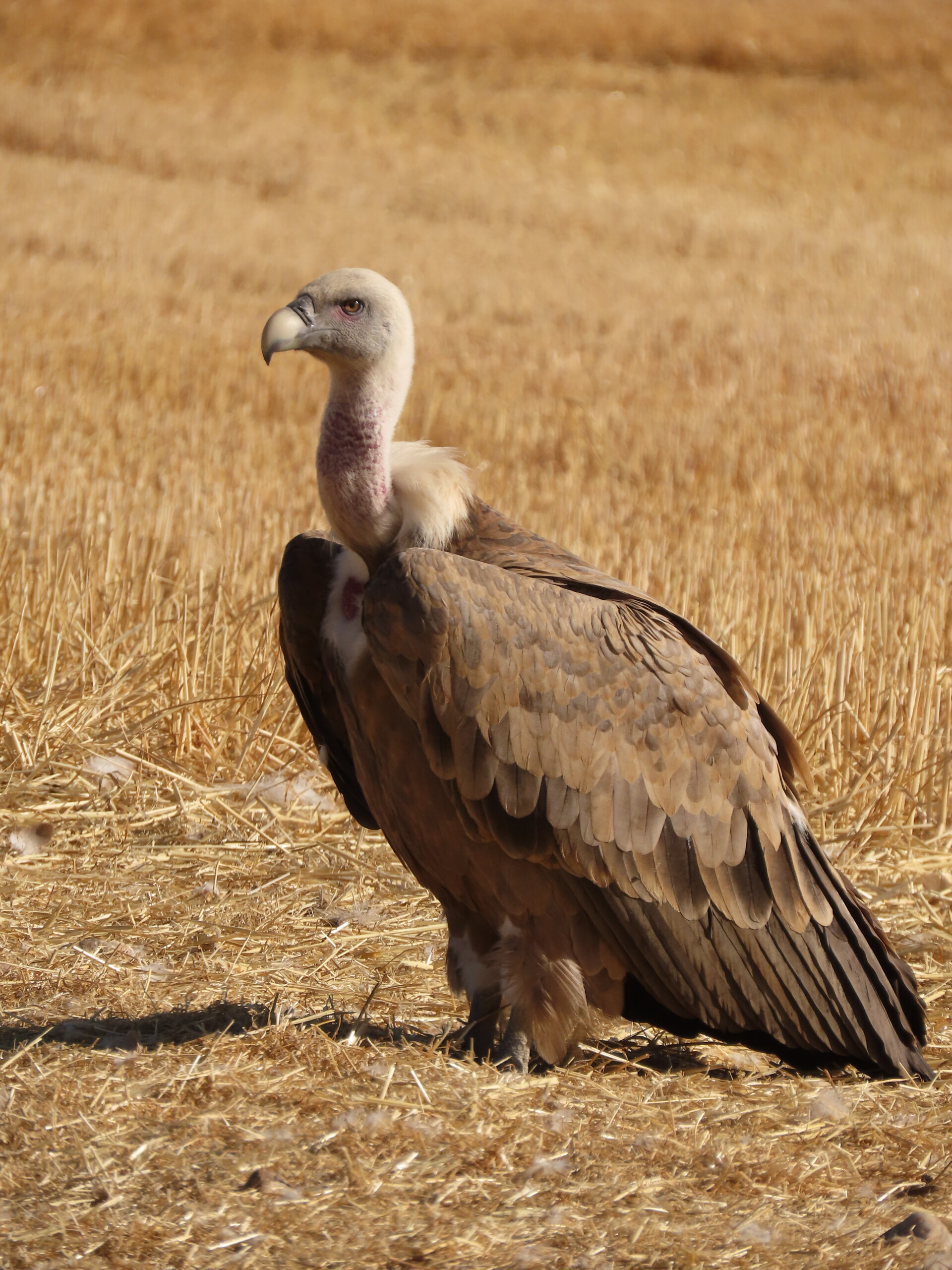 Figure 3. Griffon Vulture (Gyps fulvus) the main scavenger in Spain © Adrian Orihuela Torres.
Cultural and economic importance
Beyond ecological functions, the study highlights the strong cultural and socio-economic value of birds. Species such as the Red-legged Partridge (Alectoris rufa), the golden eagle (Aquila chrysaetos), and the European Goldfinch (Carduelis carduelis) are particularly important for their aesthetic, artistic, symbolic, and ecotourism value.
Birdwatching tourism, in particular, represents a growing economic activity in Spain. Many rural areas benefit from nature-based tourism linked to iconic or charismatic bird species (García-Jiménez et al. 2021). By quantifying these cultural services, ServiBirds helps make visible the economic relevance of bird conservation.
The study emphasizes that the value of birds goes well beyond biodiversity, extending to social and economic dimensions, especially through nature-based tourism.
A tool for conservation and decision-making
ServiBirds is not only a database but also a tool designed to support conservation planning and environmental management. By identifying which species provide key services, it can help prioritise conservation actions and assess the potential consequences of species declines.
The framework allows for a clearer understanding of how bird conservation is directly linked to ecosystem functioning and human quality of life. Although the study focuses on Spain, the approach can be applied to other regions and even extended to other taxonomic groups.
Birds as allies for people and nature
At a time of accelerating biodiversity loss, the study delivers a clear message: protecting birds is not only about conserving nature for its own sake, but also about safeguarding the benefits that healthy ecosystems provide to society.
By making the contributions of birds visible and measurable, ServiBirds helps bridge the gap between ecological research and decision-making. The study encourages a broader perspective in which birds are recognized as essential allies in sustaining ecosystems, economies, and cultural heritage.
References
García-Jiménez, R., Morales-Reyes, Z., Pérez-García, J. M., & Margalida, A. 2021. Economic valuation of non-material contributions to people provided by avian scavengers: Harmonizing conservation and wildlife-based tourism. Ecological Economics 187:107088.VIEW
Green, A. J., & Elmberg, J. 2014. Ecosystem services provided by waterbirds. Biological reviews 89:105-122.VIEW
Michel, N.L., Whelan, C.J. & Verutes, G.M. 2020. Ecosystem services provided by Neotropical birds. The Condor 122:duaa022.VIEW
Whelan, C. J., Şekercioğlu, Ç. H., & Wenny, D. G. 2015. Why birds matter: from economic ornithology to ecosystem services. Journal of Ornithology 156:227-238.VIEW
Image credit
Top right and featured image: European Goldfinch (Carduelis carduelis) on a blooming hazel tree © Pierre Dalous | CC BY-SA 4.0 Wikimedia Commons