

LINKED PAPER The Painted Stork: Exploring Ecology and Conservation in India. Urfi, A.J. (2024) Pelagic Publications, London, UK.VIEW
Why study the Painted Stork?
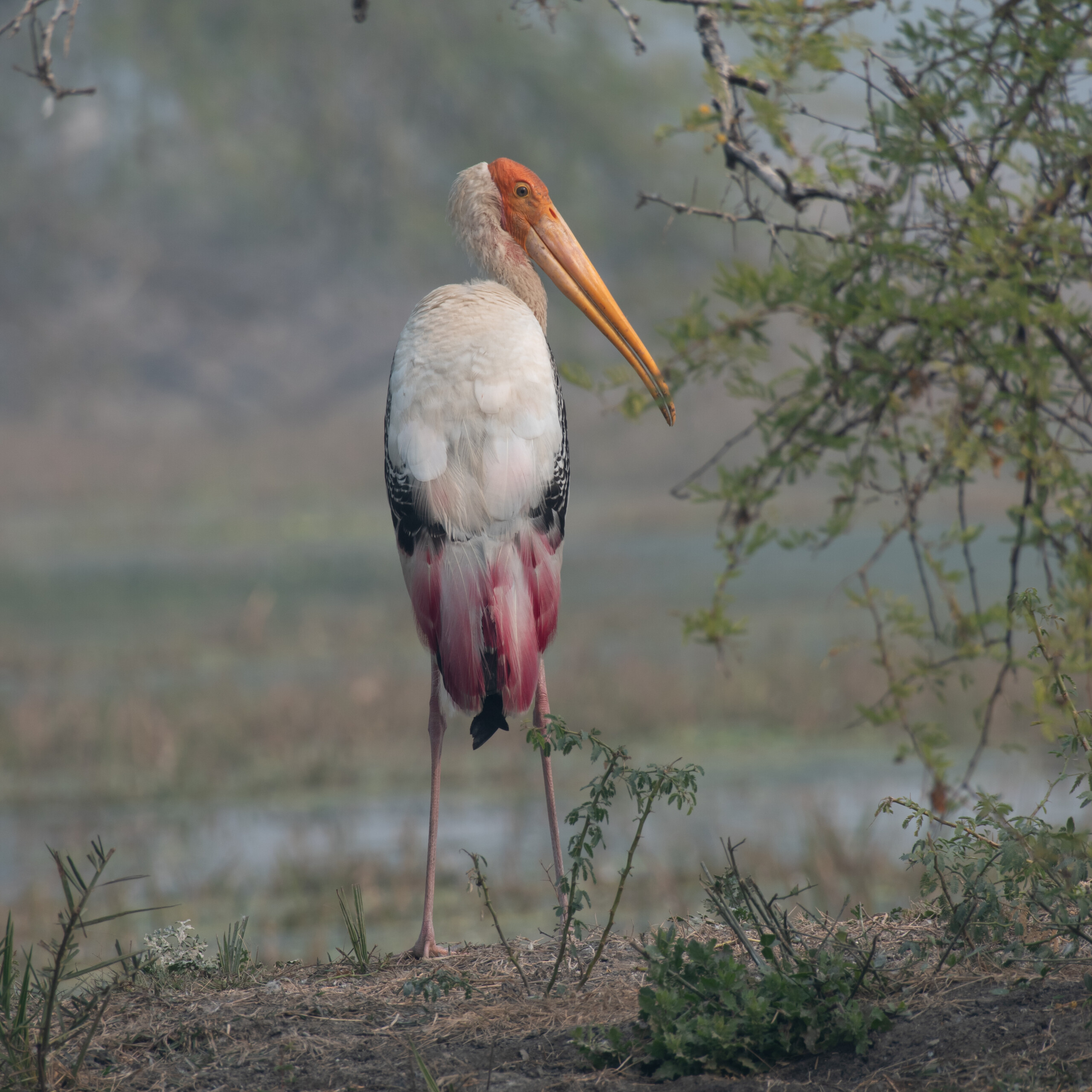
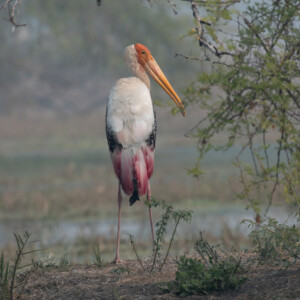
The Painted Stork (Mycteria leucocephala), a colonially nesting fish-eating bird, found across large parts of the Indian subcontinent and South East Asia, is listed as near threatened on the IUCN Red List, although it is somewhat commonly encountered at wetlands. Studying this bird has numerous advantages, which I have elaborated on in my book The Painted Stork: exploring ecology and conservation in India, written as a resource for teaching and training across the world.
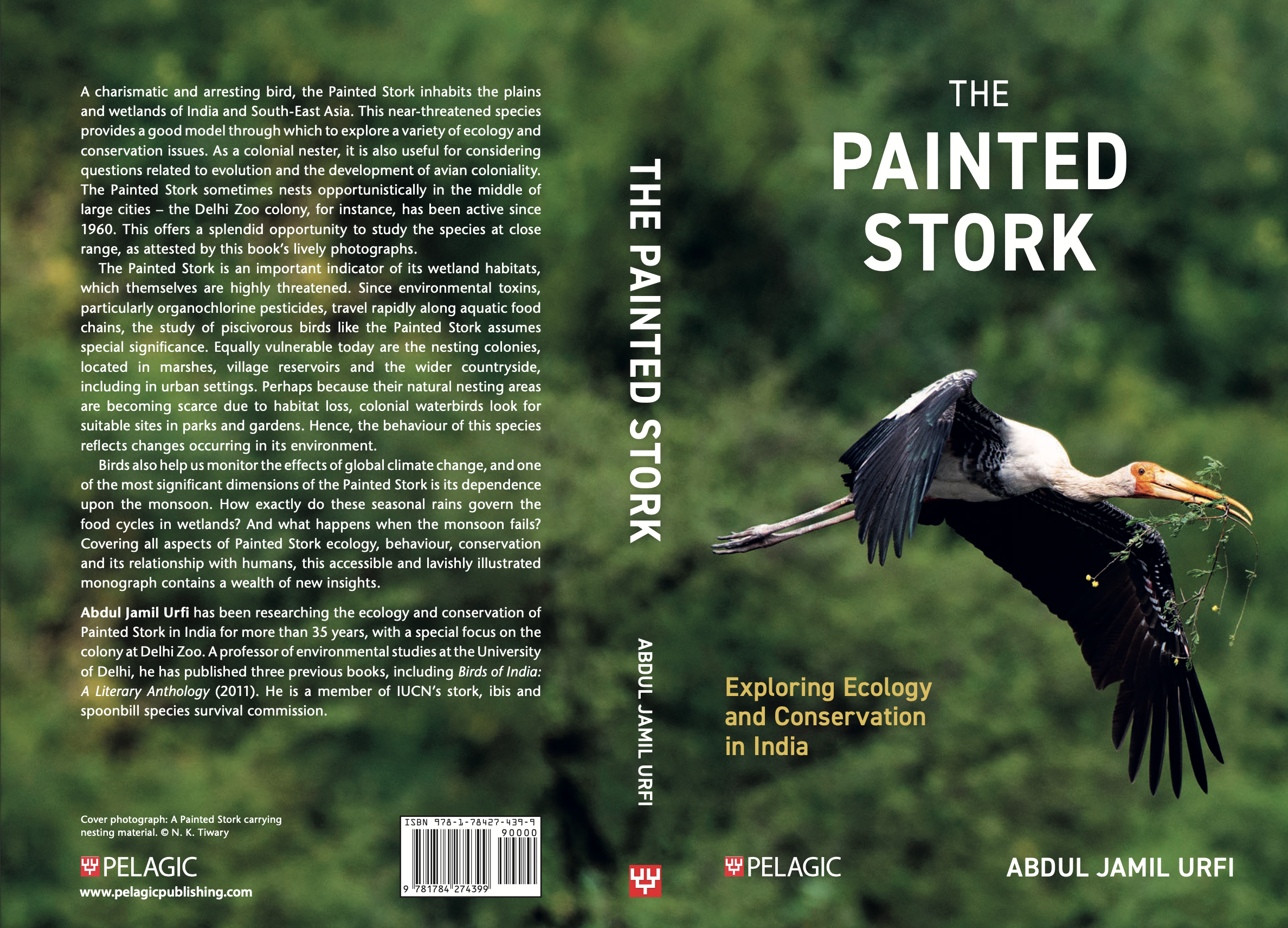 Figure 1. The cover of the book The Painted Stork: exploring ecology and conservation in India. (Source: Pelagic Press).
Large birds like the Painted Stork are often a focus for ecological studies simply because they can be easily seen and counted and help us to understand several important ecological issues. The Painted Stork is an indicator of its habitat- wetlands, which themselves merit attention due to their threatened status and their specific threats, including pollution, pesticides, and habitat encroachment. Recent research, with Painted Stork as a model, has shown that Artificial Intelligence (AI) applications such as Deep Transfer Learning open new possibilities for ecological research (Urfi et al., 2026).
As a colonial nesting species, the Painted Stork provides an opportunity to explore questions about avian coloniality. Also, the fact that this bird nests all across the Indian subcontinent – its breeding colonies in northern and southern India for instance being separated by nearly two degrees of latitude – makes it an excellent model to study local bioclimate-driven ecomorphological changes in bird populations over large subcontinental scales, and to explore interesting questions in biogeography (Mahendiran et.al., 2018; 2022).
Its nesting colonies, known as ‘heronries’, are not just located in marshes: many are associated with village reservoirs and the wider countryside, both inside and outside the protected areas network, as well as in parks and gardens in urban settings. Painted Stork can serve as indicators of the changes in their environment (namely, the spread of urbanisation and expansion of built-up areas), with the potential to provide interesting insights for city planning and development.
Being fish-eating birds, Painted Stork are also good models for monitoring effects of global climate change because of their dependence upon the monsoon. How exactly do these seasonal rains govern the food cycles in wetlands? What happens when the monsoon phenology changes, as is suspected to happen on account of global climate change?
Decline in numbers
From a conservation perspective, the most important question we can ask is whether Painted Stork numbers are declining in India. We don’t know for sure, but there is suggestion of considerably reduced nesting due to a complex set of reasons at specific sites. For instance, the fluctuations in populations of this species at the famous Keoladeo Ghana National Park in Rajasthan – a Ramsar site and an incredible place to see migratory and resident species of waterbirds at close quarters – is a case in point. One of the park’s distinctive features was the presence of extensive nesting colonies of storks, ibises, spoonbills, herons, egrets and cormorants. Spread across many blocks of the 2873-hectare mosaic of wetland, swamp, forest and scrub, this park also hosted (and still does today but in much diminished numbers) thousands of migratory waterfowl, and the endangered Siberian Crane (Leucogeranus leucogeranus) (which stopped coming here several decades ago), during winter. Towards the middle of the 20th century, close to 2500 nests of just the Painted Stork were recorded. Half a century later, only about a few hundred nests per year can be counted, and that too is restricted to just a few blocks. All this signifies that something is wrong and that metapopulation issues need to be explored.
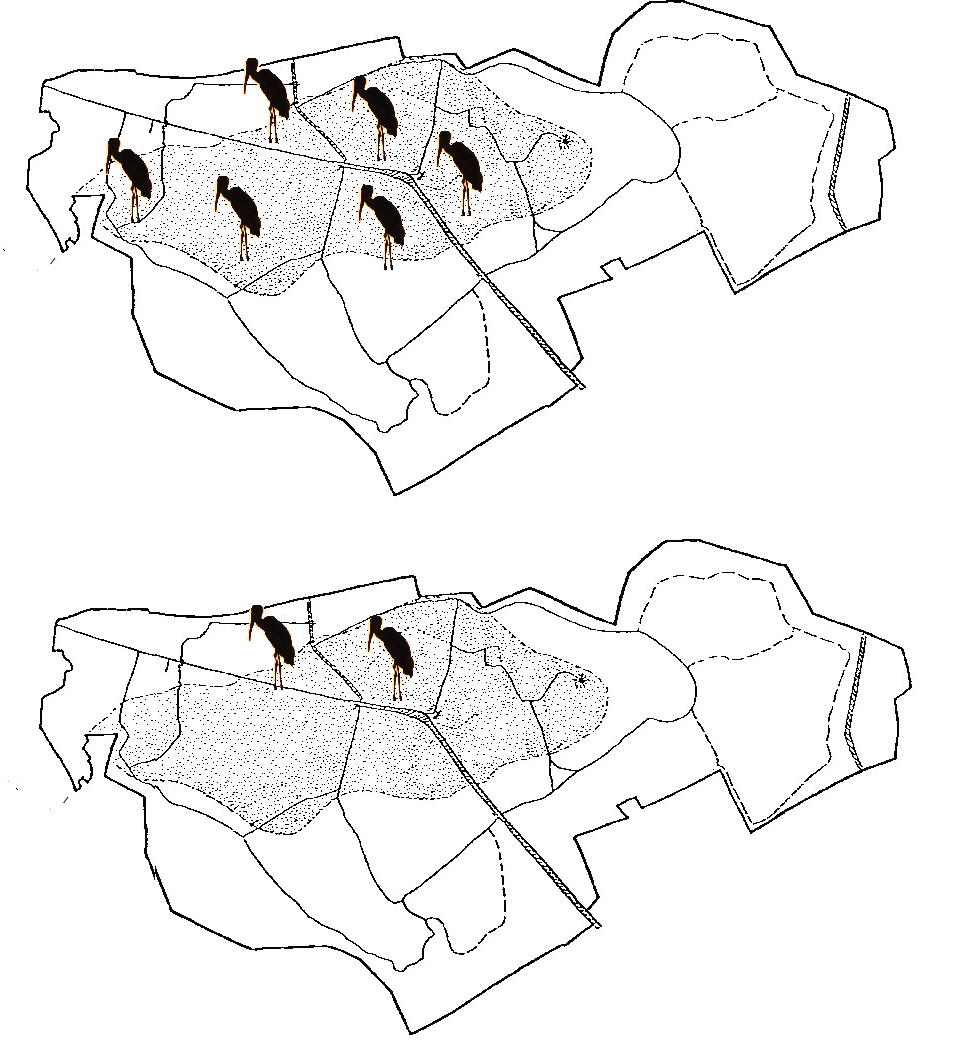 Figure 2. Sketch map to show Keoladeo Ghana National Park, bisected into a number of blocks created by elevated pathways. (Top) Prior to the 1980s, Painted Storks occupied almost all of the blocks for nesting purposes. (Below) In recent years, Painted Storks have nested in only a few blocks of the park. (Source: Urfi, 2024).
What could be influencing the Painted Stork populations? Speaking generally and not restricting oneself only to Keoladeo, several things actually. The usual suspects are loss of habitat, disturbance, people cutting down trees with nests on them because of the fishy smells and irritating noises which emanate from nesting colonies. However, one important factor which has not been adequately highlighted in the past is the infestation of waterbodies by aggressive, alien species of fish, which may have accidentally got into Indian waters. These may, and probably already do, interfere with the wetland food webs. One such species is the African Catfish (Clarias gariepinus), which proliferates rapidly, dislodging many native species of fish in the process, especially those which may constitute the natural diet of fish-eating birds like the Painted Stork. Clearly this is an area which requires more investigation.
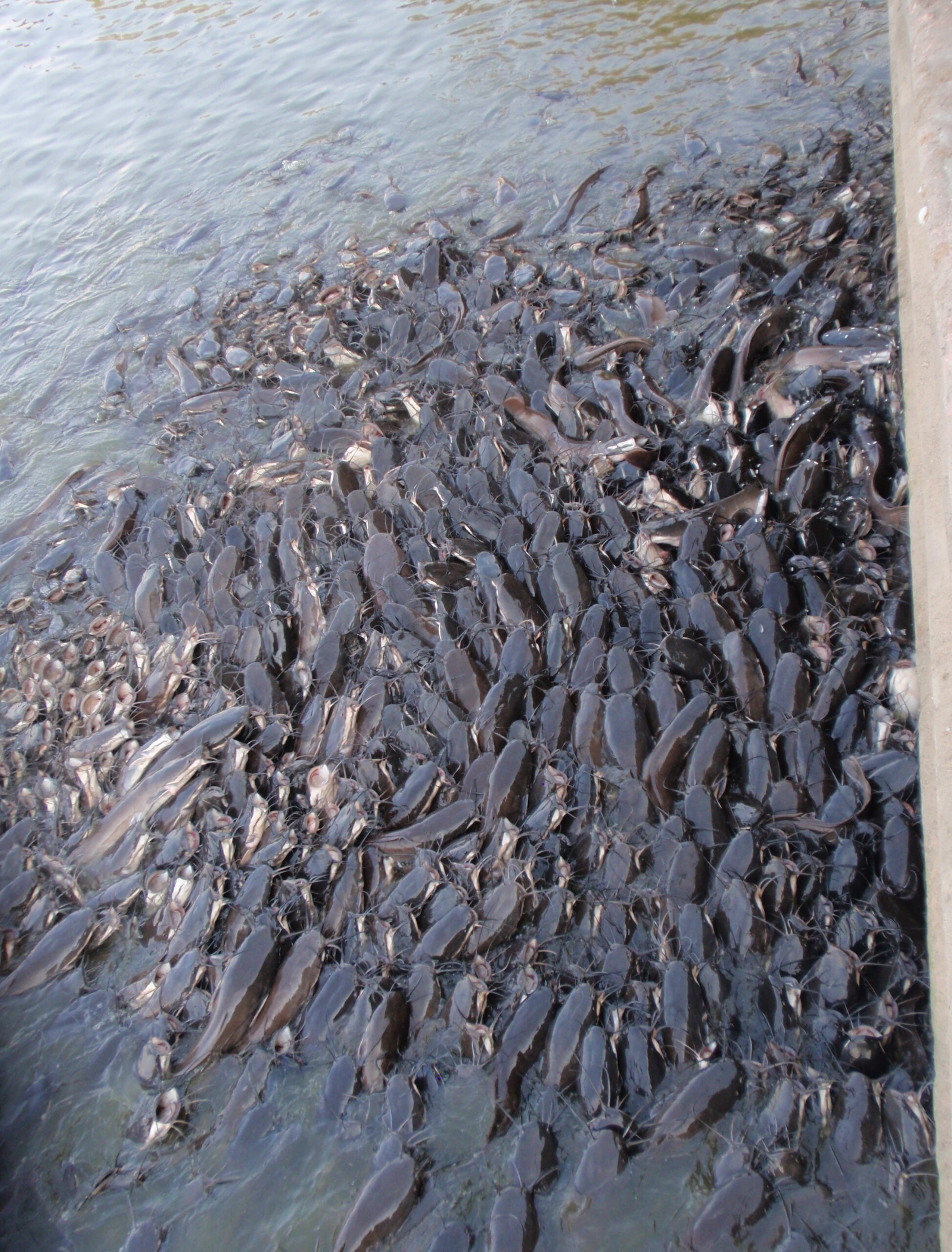 Figure 3. African Catfish (Clarias gariepinus) in a water storage tank in Rajasthan. The picture gives an idea of how large and aggressive these fishes are from the manner they aggregate at the point when people throw food at them from the shore © A.J. Urfi.
Nest monitoring
Besides standard practices such as environmental education, public engagement, community action and legislation, perhaps the strongest need is for conservation monitoring programmes, along scientific lines that can be sustained over long periods with mechanisms in place to ensure regular data gathering by trained personnel (Tiwary and Urfi, 2016). The monitoring of birds with a long-term conservation perspective, often supported by volunteers, has paid rich dividends in basic and applied ecological research. For instance, among the important studies to demonstrate the effect of global climate change on bird nesting patterns in Europe, the investigators relied on long-term population records maintained by various agencies. The heronry census in the United Kingdom, which gathered nesting records of the Grey Heron (Ardea cinerea) for over 100 years, is often used as a textbook example of how environmental factors regulate bird population trends over the long term.
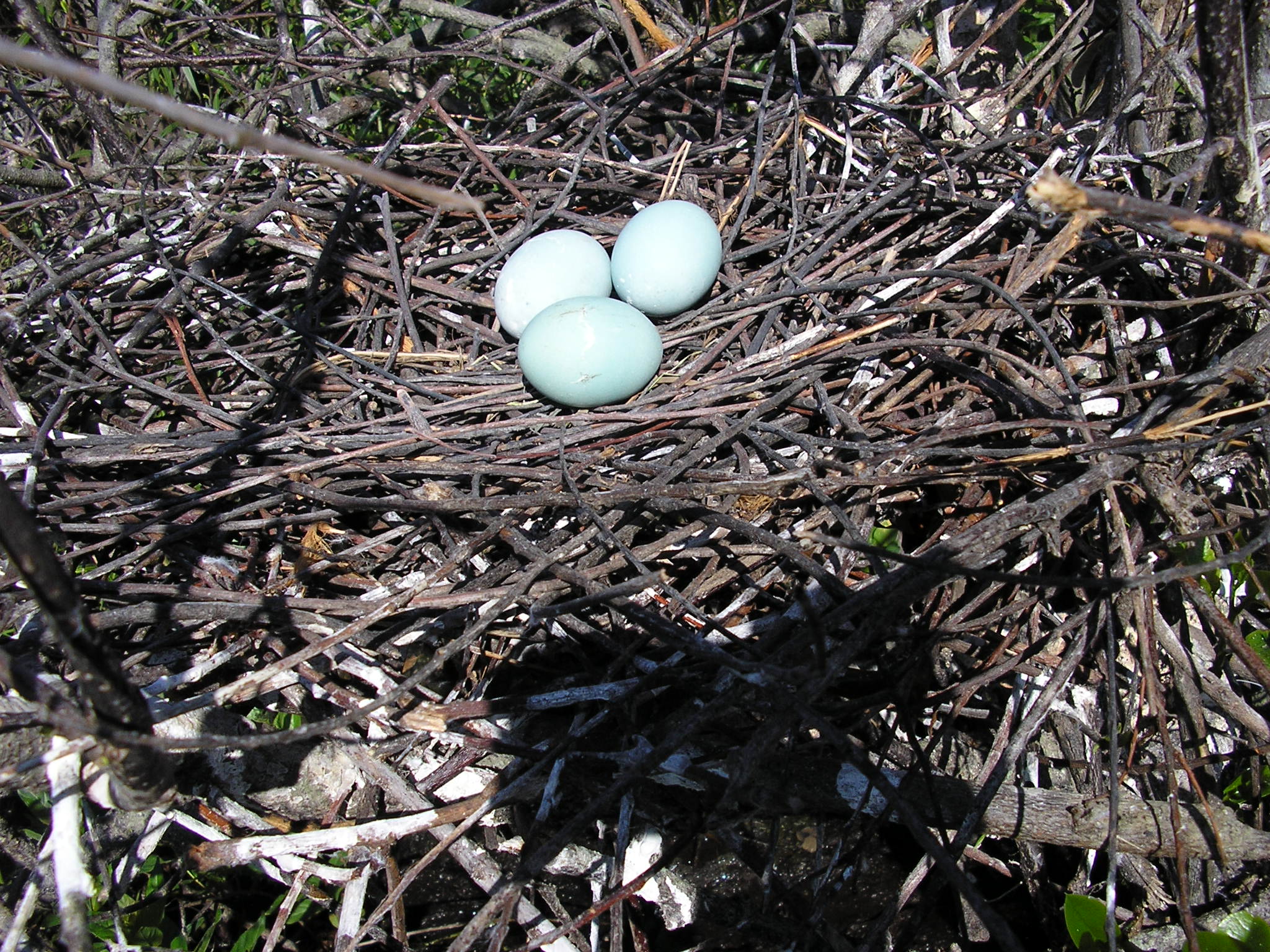 Figure 4. Nests are stationary structures that can’t fly off, unlike their makers. The focus in nest-monitoring programmes is on the contents of the nest — eggs and nestlings — besides information on parent birds in attendance. By repeated visits to the same nest, one obtains estimates of nest success ‒ an important parameter in conservation biology that helps accurately understand how birds respond to changes in their habitat. © A.J. Urfi.
Showcasing the nesting phase ‒ a significant chapter in the life cycle of birds ‒ heronries offer a great educational opportunity. Therefore, a nest monitoring programme involving students and researchers can be beneficial for both birds and people alike (Urfi, A.J. 2020). Heronries in urban premises can be monitored relatively easily. Many of them are located in approachable and accessible parts of urban areas such as in Delhi zoo, Mysuru zoo and public gardens in the city of Bhavnagar, among others.
To conclude, while the Painted Stork is most interesting during the rainy season – its nesting season – it is, from a research perspective, a bird worthy of study for many reasons.
References
Mahendiran, M., Parthiban, M., Azeez, P.A. & Nagarajan, R. 2018. In situ measurements of animal morphological features: a non‐invasive method. Methods Ecol. Evol. 9: 613-623.
Mahendiran, M., Parthiban, M., Azeez, P.A. 2022. Signals of local bioclimate-driven ecomorphological changes in wild birds. Sci. Rep. 12: 15815.VIEW
Urfi, A.J., Mahendiran, M., Parthiban, M. & Ahmed, P. 2026. Individual identification and confirmation of nest site fidelity in Painted Stork (Mycteria leucocephala) using deep transfer learning. R. Soc. Open Sci. 13: 251083.VIEW
Tiwary, N.K & A.J. Urfi 2016. Nest Survival in Painted Stork (Mycteria leucocephala) Colonies of North India: the Significance of Nest Age, Annual Rainfall and Winter Temperature. Waterbirds. 39(2): 146-155.
Urfi, A.J. 2020. Indian heronries need conservation monitoring. Nature India.VIEW
Image credit
Top right and featured image: Painted Stork (Mycteria leucocephala) © Rohit Sharma | CC BY-SA 4.0 Wikimedia Commons.